
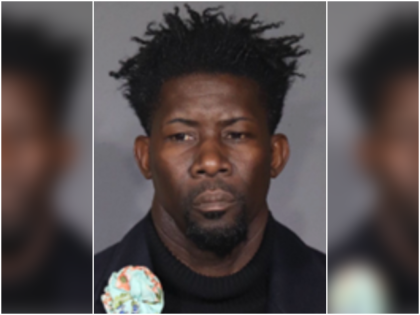
Imagine a high-profile school superintendent—trusted with shaping the minds of thousands of Iowa kids—busted for lying his way into the job and packing heat illegally. That’s the jaw-dropping reality with Ian Andre Roberts, the illegal alien who helmed Des Moines Public Schools until federal charges caught up with him. Pleading guilty to making false statements on immigration forms and possessing a firearm as a prohibited person, Roberts now faces the music in a case that exposes the porous underbelly of our vetting systems. This isn’t just a bureaucratic slip-up; it’s a stark reminder that federal background checks, mandated under the Brady Act and enforced via Form 4473 for every gun purchase, are designed to keep firearms out of the hands of felons, fugitives, and non-citizens—yet Roberts slipped through the cracks long enough to serve in one of the most influential roles in education.
For the 2A community, this saga is a double-edged sword demanding sharp analysis. On one hand, it underscores the system’s intent: prohibitions on illegal aliens possessing firearms (18 U.S.C. § 922(g)(5)) are real and rigorously prosecuted when discovered, as seen in Roberts’ swift guilty plea and the ATF’s involvement. Critics of gun control often point to such cases to argue that laws already target the bad actors, with over 99% of NICS denials annually blocking prohibited persons without infringing on law-abiding citizens. But here’s the rub—Roberts’ unchecked access highlights epic failures in employment verification (thanks to lax E-Verify adoption) and school hiring protocols, raising alarms about who else might be evading federal firearm restrictions in positions of public trust. It’s a win for enforcement but a wake-up call on immigration enforcement’s role in bolstering 2A safeguards.
The implications ripple outward: as border security debates rage, this case fuels 2A advocates’ push for airtight vetting to prevent exactly these scenarios, where illegal status collides with gun ownership. Des Moines parents now question not just their superintendent’s credentials but the broader narrative that more laws equal more safety—Roberts proves the opposite, thriving under the radar until Uncle Sam intervened. For gun owners, it’s vindication that current prohibitions work when applied, but a rallying cry to fortify the foundations: secure borders, mandatory E-Verify, and zero tolerance for fraud. Stay vigilant, America—this one’s a textbook tale of why 2A protections must pair with ironclad rule of law.


