
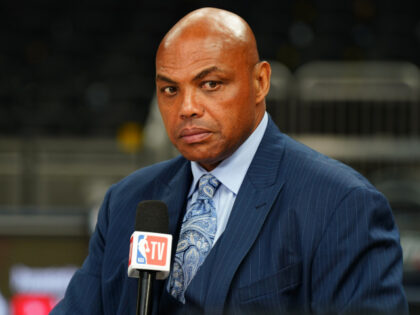
Charles Barkley, the outspoken NBA analyst never one to shy away from controversy, has waded into the firearms debate with a blunt reaction to a recent Border Patrol agent-involved shooting in Minneapolis. Two people have died for no reason, Barkley lamented, calling the incident just sad. While his heartbreak is understandable, Barkley’s knee-jerk framing risks oversimplifying a complex law enforcement encounter, where agents were responding to an active threat amid rising border security tensions spilling into urban America. This isn’t just another statistic—it’s a stark reminder of how federal overreach and under-resourced policing collide, often with lethal consequences that anti-2A voices like Barkley exploit to push disarmament narratives.
Diving deeper, context matters: Border Patrol agents aren’t your average street cops; they’re increasingly thrust into domestic hotspots due to sanctuary city policies and unchecked migration, armed with standard-issue sidearms under strict federal rules of engagement. Barkley’s no reason rhetoric echoes the same playbook used post-Uvalde or Parkland—ignore the shooter’s actions, amplify the body count, and demand accountability that invariably means gun grabs for law-abiding citizens. For the 2A community, this is a flashing red light: if even elite federal agents can’t prevent tragedy without scrutiny, imagine the vulnerability of everyday concealed carriers facing similar snap judgments. Data from the FBI’s active shooter reports backs this—over 90% of mass attacks are stopped by armed good guys, yet Barkley’s selective outrage sidesteps how armed self-defense, enshrined in the Second Amendment, is our bulwark against chaos.
The implications for gun owners are profound: Barkley’s call for accountability could fuel calls for tighter federal oversight on agent training or even broader restrictions on patrol firearms, setting a precedent that trickles down to state and local levels. 2A advocates must counter with facts—highlight Border Patrol’s low officer-involved shooting rate (under 0.01% of encounters per DHS stats) and push for transparency via body cams and independent reviews, not erosion of rights. This Minneapolis moment isn’t about mourning alone; it’s a rallying cry to fortify the right to keep and bear arms, ensuring heroes on the frontlines—and citizens at home—aren’t left defenseless against politicized grief. Stay vigilant, Second Amendment faithful; Barkley’s spotlight demands our sharpest rebuttal.


