
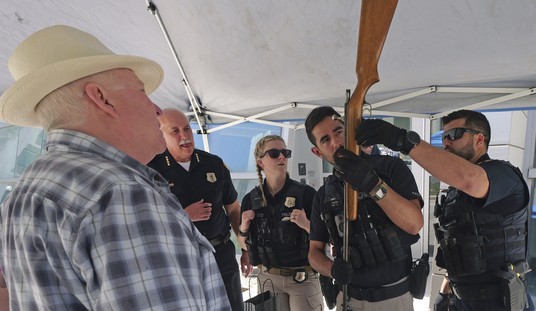
Canada’s much-hyped gun buyback program—meant to pry prohibited firearms from law-abiding owners’ cold, dead hands—is imploding faster than a Liberal Party promise. Launched with fanfare after the 2020 handgun freeze and assault-style weapon ban, the Trudeau government’s scheme promised $750 million to compensate owners, but participation has been a pathetic trickle. As of late 2024, fewer than 25,000 firearms have been surrendered nationwide, against estimates of over a million affected guns, leaving billions in taxpayer dollars unspent and warehouses half-empty. Provinces like Alberta, Saskatchewan, and even gun-shy Ontario are pushing back hard: Alberta’s premier Danielle Smith declared they won’t enforce it, while Saskatchewan offers its own voluntary program with better incentives. This isn’t just bureaucratic bungling; it’s a masterclass in overreach meeting reality.
Dig deeper, and the cracks reveal a program designed to fail from the jump. Turn-in rates are dismal because owners see zero upside—prices are insultingly low (think $200 for a $2,000 rifle), logistics are a nightmare (remote hunters mailing guns?), and the whole thing reeks of confiscation theater rather than safety. Criminals, of course, ignore it entirely, as black market guns flood in from the U.S. unchecked. This echoes Australia’s 1996 buyback, which netted just 640,000 of 650,000 targeted firearms before owners wised up and hid the rest—crime rates didn’t budge, but compliance culture deepened. Canada’s flop underscores the universal truth: you can’t buy back what people won’t sell, especially when trust in government is lower than a snake’s belly.
For the 2A community, this is pure vindication and a blueprint. It proves slippery-slope gun grabs boomerang, eroding public support and galvanizing resistance—Alberta’s defiance mirrors U.S. sanctuary states bucking federal overreach. American gun owners should cheer: every dollar wasted in Ottawa weakens global anti-2A narratives, reminding allies from Texas to Toronto that the right to self-defense isn’t for sale. Watch for ripple effects—provinces opting out could spark a mini-federalism revolt, buying time for U.S. advocates to fortify SCOTUS wins like Bruen. In the end, Canada’s buyback isn’t crashing; it’s self-destructing, a hilarious reminder that freedom’s grip is tighter than any bureaucrat’s wallet.


