
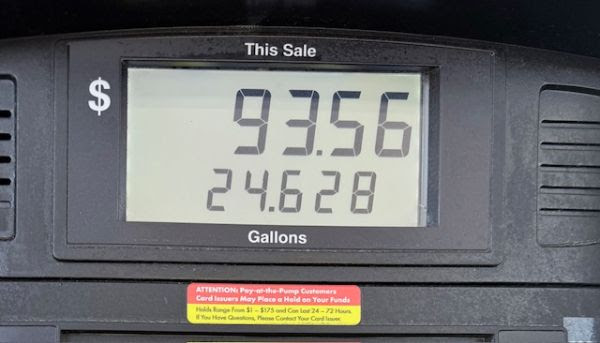
“Disposable income” actually means available and affordable credit. When the cost of essential goods rises, both the ability to buy and borrow are negatively impacted. This pithy observation cuts straight to the heart of our current economic malaise, where surging oil prices aren’t just inflating your gas bill—they’re systematically eroding the financial flexibility that keeps everyday Americans afloat. Think about it: oil doesn’t just power your car; it’s the lifeblood of trucking, manufacturing, and food production. As crude climbs toward $90 a barrel amid Middle East tensions and OPEC gamesmanship, every pump price hike ripples outward, jacking up grocery tabs, utility costs, and yes, the interest rates on that credit you’re increasingly desperate to tap. It’s a vicious cycle where disposable income morphs into desperate debt, squeezing the middle class like a vice.
For the 2A community, this economic skid is more than a wallet-watcher—it’s a frontline threat to our core freedoms. When families are shelling out 20-30% more for basics, that AR-15 build, range day ammo run, or even a basic home defense shotgun gets deferred indefinitely. Credit drying up means fewer impulse buys at the local gun shop, and with FFL transfer fees already stinging, impulse often becomes intent. We’ve seen this playbook before: post-2008 recession, NICS checks dipped as unemployment spiked, and gun ownership rates stagnated among cash-strapped demographics. Now, with inflation gnawing at real wages and the Fed’s rate hikes making loans pricier than a suppressed SBR, expect suppressed demand in the firearms market—projected single-digit growth for 2024 per NSSF data, down from pandemic highs. Manufacturers like Ruger and Smith & Wesson are already signaling softer orders, a red flag for an industry that thrives on accessible self-reliance.
The implications scream urgency: 2A advocates must double down on framing gun ownership as economic armor, not luxury. Stockpile when you can, push for state-level tax relief on ammo and accessories to offset oil-driven inflation, and rally against policies—like green energy mandates—that artificially spike energy costs without viable alternatives. This isn’t hyperbole; history shows economic downturns breed both heightened self-defense needs (crime surges with desperation) and government overreach (budget-strapped regimes eyeing assault weapon bans for quick revenue). Stay vigilant, brothers and sisters—when the skid hits the fan, a well-armed populace isn’t optional; it’s our economic and existential backstop.


