
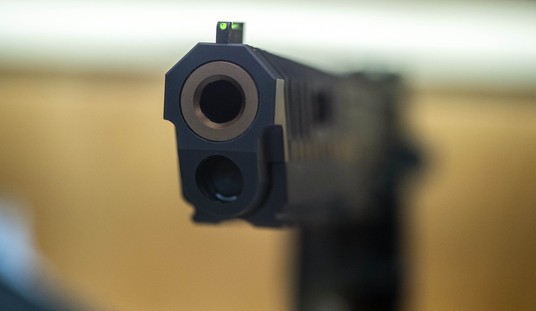
A South Carolina man’s tragic mistake shows why mixing guns and alcohol is dangerously irresponsible. In a heartbreaking incident that unfolded in Greenville County, 42-year-old Michael Wayne Smith reportedly consumed alcohol before handling a firearm, leading to his accidental self-inflicted gunshot wound. Authorities say he was intoxicated when he shot himself in the leg while mishandling a loaded handgun at his home—no other injuries occurred, but the event underscores a stark reality: alcohol impairs judgment, coordination, and reaction time, turning a tool of self-defense into a tool of self-harm.
This isn’t just a one-off tragedy; it’s a textbook case of why responsible gun ownership demands sobriety as a non-negotiable cornerstone. Firearms experts, including those from the NRA’s training programs, emphasize that even legal blood alcohol levels can degrade fine motor skills by up to 20-30%, per studies from the National Institute on Alcohol Abuse and Alcoholism—making holstering, unholstering, or clearing malfunctions a recipe for disaster. In the 2A community, we’ve long championed train like you fight, but stories like Smith’s highlight the flip side: no amount of range time excuses boozing before banging steel. Anti-gunners will inevitably weaponize this to push feel-good restrictions like assault booze bans or mandatory sobriety trackers, ignoring that criminals don’t sober up for crime scenes. The real implication? Double down on education—promote dry-fire drills, sober-only carry protocols, and community-led safety initiatives to preempt these mishaps and keep the focus on rights, not regrets.
For the pro-2A faithful, this is a rallying cry: own your responsibility, because one drunk discharge hands ammo to the grabbers. Share your sober carry stories, push local classes that drill the alcohol taboo, and remember—freedom’s edge is sharpest when you’re stone-cold sharp. Stay safe, stay sober, stay armed.


