
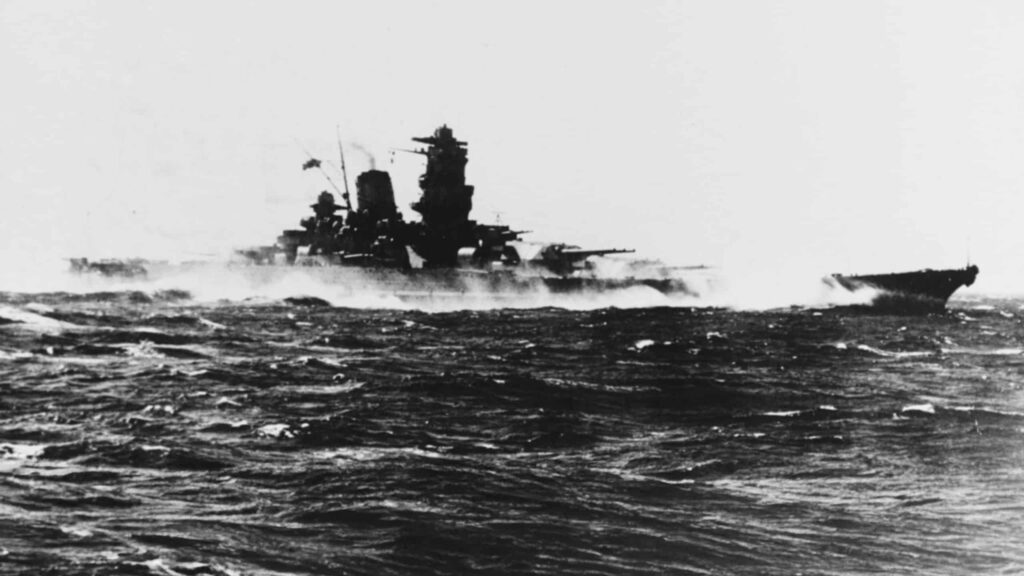
The story of the Japanese battleship Yamato, dubbed unsinkable by its creators, reads like a tragic opera of hubris and technological overreach—a colossal 72,000-ton behemoth armed with nine 18.1-inch guns that could hurl 3,200-pound shells over 26 miles. Launched in 1940 as the pride of the Imperial Japanese Navy, Yamato embodied the pinnacle of pre-war naval engineering, designed to dominate the Pacific unchallenged. Yet, in April 1945, during Operation Ten-Go, she was dispatched on a suicidal mission to Okinawa with minimal air cover and fuel for a one-way trip. Surrounded by over 300 American aircraft from Task Force 58, Yamato absorbed a barrage of torpedoes and bombs—11 torpedoes and seven bombs ultimately sending her to the ocean floor in a cataclysmic explosion that lit up the sky for miles. Eyewitness accounts from U.S. pilots describe the surreal sight of her massive superstructure listing and vanishing in under two hours, a stark reminder that no fortress is truly impregnable when outmaneuvered by superior tactics and numbers.
What makes Yamato’s demise so poignant for us in the 2A community is the parallel to the fallacy of unsinkable gun control arguments. Just as imperial planners bet everything on sheer size and firepower, ignoring the rise of carrier-based aviation that rendered battleships obsolete, modern anti-2A advocates push massive, centralized superweapons like assault weapon bans or red flag laws, convinced they’ll neutralize threats. History proves otherwise: Yamato’s 2,700 crew perished not because of inadequate armor, but because distributed, agile forces—much like armed citizens with decentralized AR-15s and everyday carry pistols—overwhelmed a single point of failure. The U.S. Navy didn’t need a bigger battleship; they leveraged mobility and coordination, sinking the giant with dive bombers launched from flattops. It’s a lesson in why the Founders enshrined the right to bear arms: not for building Yamato-sized armories, but for a resilient network of individual defenders who can’t be swamped by bureaucracy or tyranny.
The implications ripple today as we face calls for common-sense restrictions that treat law-abiding gun owners like obsolete relics. Yamato’s watery grave underscores that true security lies in adaptability and proliferation of power, not consolidation. Pro-2A warriors, take note: stock your flotilla with reliable 5.56 platforms, train like those Hellcat pilots, and remember— the unsinkable myth crumbles when the people are armed, vigilant, and ready to swarm.


