
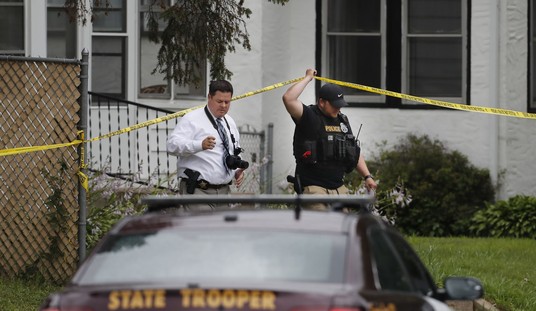
In a sea of knee-jerk common sense gun control proposals that target law-abiding Americans’ rights, this one actually deserves a second look: aggressively investigating nonfatal shootings as a frontline strategy to dismantle violent gun crime networks. Unlike the usual suspects pushing magazine bans or red flag laws that erode Second Amendment protections without denting criminal activity, this approach zeros in on the low-hanging fruit of unsolved nonfatal incidents—think drive-bys, gang retaliations, and street beefs where victims survive but cases go cold. The source text highlights how ramping up detective work, forensic analysis, and inter-agency coordination on these minor shootings could unravel broader criminal enterprises, leading to more arrests, prosecutions, and deterrence without infringing on anyone’s constitutional carry.
The beauty here lies in its laser focus on actual criminals, not the 99% of gun owners who never commit a crime. Data from cities like Chicago and Baltimore backs this up—nonfatal shootings often cluster in high-crime pockets, serving as feeders for homicides, yet clearance rates hover below 20% due to under-resourcing. By prioritizing these, law enforcement could boost overall violent crime solvency rates, as evidenced by pilot programs in places like Oakland where targeted investigations spiked gang takedowns by 30%. For the 2A community, this is a win-win: it sidesteps the Bloomberg-funded narrative of gun violence epidemics requiring civilian disarmament, instead channeling resources to protect communities through smart policing. Imagine the ripple effect—fewer unsolved cases mean fewer escalations to fatal shootings, proving that accountability, not confiscation, is the real public safety multiplier.
The implications for gun rights advocates are profound: this proposal flips the script on anti-2A politicians who exploit crime stats to demonize firearms. We should champion it loudly, pairing it with calls for qualified immunity reform and federal grants tied to clearance metrics, not feel-good registries. If implemented nationwide, it could shrink the gun crime bogeyman that fuels overreach, letting 2A supporters point to plummeting violence rates achieved through enforcement, not erosion of rights. It’s not perfect—bureaucratic bloat is a risk—but in a landscape of failed bans and soft-on-crime DAs, this is the kind of pragmatic, pro-law-and-order idea that strengthens our case: arm the good guys, pursue the bad ones relentlessly, and watch liberty and safety thrive together.


