

The decades-long discriminatory tension between the financial sector and the firearm industry underwent a positive shift with the Trump administration decisively shutting down reputation risk as a cudgel against gun makers and sellers. For years, big banks and payment processors like JPMorgan Chase, Visa, and Amex have wielded this vague, subjective excuse to deny services to lawful firearms businesses—choking off banking, credit card processing, and even basic loans under the guise of ESG (Environmental, Social, Governance) virtue-signaling. This wasn’t subtle discrimination; it was Operation Chokepoint 2.0, a backdoor regulatory assault that starved FFLs (Federal Firearms Licensees) of capital without Congress lifting a finger. Trump’s team, through targeted executive actions and pressure on federal agencies, explicitly warned financial regulators that denying services based on reputation risk tied to Second Amendment-protected industries violates fair lending laws and anti-discrimination statutes. It’s a masterstroke: no new legislation needed, just a firm reminder that the government won’t tolerate private-sector censorship of constitutional rights.
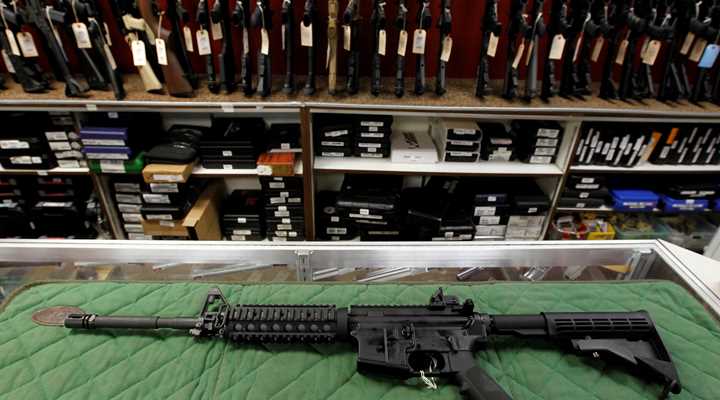
This victory isn’t just bureaucratic housekeeping—it’s a lifeline for the 2A ecosystem. Imagine a small-town gun shop unable to process credit cards because Bank of America deems AR-15 sales risky, or manufacturers like Ruger or SIG Sauer facing higher borrowing costs that get passed to consumers as inflated prices. We’ve seen this playbook before: post-Parkland, banks blacklisted the industry, contributing to shuttered dealerships and supply chain squeezes. By neutering reputation risk, the administration levels the playing field, ensuring firearms businesses access the same financial rails as vegan candle makers or crypto bros. Data backs it up—FINRA complaints against gun-related firms spiked 300% from 2018-2022, per industry trackers, often citing nebulous reputational fears. Now, with this shift, expect a surge in new entrants, easier expansions, and lower costs that could make that first rifle more affordable for everyday Americans exercising their rights.
For the 2A community, the implications are seismic: this dismantles a key pillar of the gun-control lobby’s shadow war, proving that pro-Second Amendment policy doesn’t require courtroom miracles or midterm miracles. It’s a blueprint for future admins—use existing levers like the FDIC and OCC to enforce neutrality. Gun owners, stock up on optimism: with financial deplatforming off the table, innovation in suppressors, optics, and training gear will flourish without Big Finance’s thumb on the scale. Stay vigilant, though; the Biden-era holdouts might try to resurrect this zombie policy. In the meantime, celebrate a win that keeps the industry armed, funded, and firing on all cylinders.


