
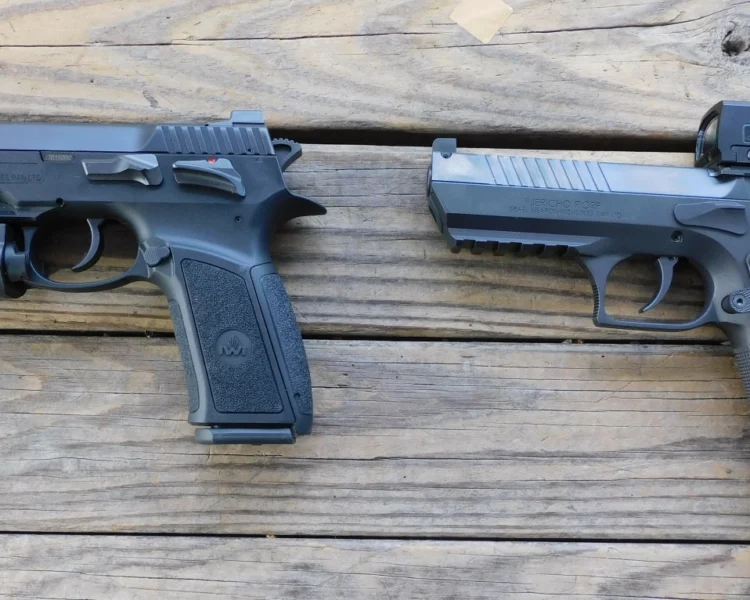
I once refused to add pistol optics to my handguns. But necessity and experience changed my mind. Here are a few things to consider.
That raw admission from a seasoned shooter hits like a mic drop in the endless debate over iron sights versus red dots on pistols. For years, the purist camp—myself included—clung to irons like a talisman of self-reliance, arguing they were simpler, more reliable, and battle-proven across decades of military and civilian use. No batteries to fail, no parallax issues fogging your sight picture, just cold steel you could co-witness in a pinch. But as this story illustrates, real-world necessity doesn’t care about nostalgia. Competition shooters, IDPA warriors, and even defensive trainers started posting sub-1-second draws with dots, shaving precious tenths off split times that could mean life or death in a high-stress draw. The author’s pivot isn’t surrender; it’s evolution. Optics like the Trijicon RMR or Holosun 507C aren’t fragile toys—they’re ruggedized tools with shake-awake tech and solar backups that laugh off mud, drops, and Murphy’s Law. Data from sources like the FBI’s ballistic reports and USPSA stats back it: dot-equipped pistols deliver faster hits on target at 7-25 yards, where most encounters play out.
For the 2A community, this transition isn’t just tactical homework; it’s a frontline upgrade in the asymmetric fight for readiness. Anti-gunners love painting us as reckless cowboys, but embracing optics flips the script—proving we’re proactive about precision and minimizing collateral risk. Imagine a home defense scenario: low light, adrenaline spiking, and your irons blend into a black-on-black void. A crisp red dot snaps that target into focus, turning good enough into dialed in. Sure, there’s a learning curve—expect 500-1000 dry-fire reps to build that window to the dot instinct—but the implications ripple outward. Manufacturers like Glock and Sig are milling slides stock now, democratizing the tech beyond elite circles. Cost barriers are crumbling too; a solid optic runs $300-500, cheaper than a safe queen’s trigger job. The holdouts? They’re not wrong to value irons as a failsafe (mount ’em low-3 or absolute co-witness), but ignoring optics is like running a flip phone in 2024—functional, but outgunned.
Bottom line: this story isn’t about ditching heritage; it’s about stacking the deck. If necessity changed one skeptic’s mind, it’s a siren call for the rest of us to mount up, train hard, and stay ahead of the curve. Your pistol, your rules—but in a world that’s anything but fair, why settle for yesterday’s sights when tomorrow’s wins demand more? Test a dot on your carry gun this weekend; your first sub-2-second draw might just seal the deal.


