
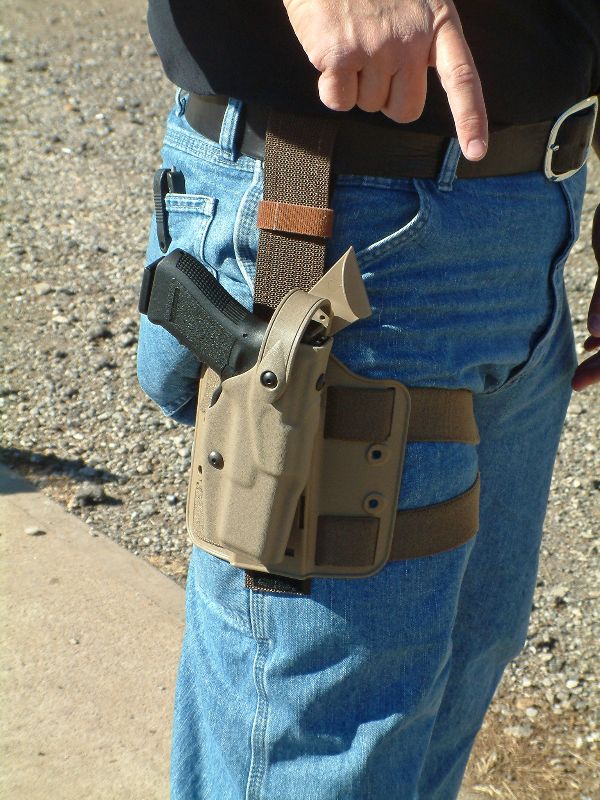
Carrying a gun on a regular basis should be more than finding the cheapest holster on the online version of the big box store or seeing what the influencer of the day is plugging. I’d expect one needs to consider aspects of the reality we face before coming to a decision. This no-nonsense reminder cuts through the hype like a KA-BAR through butter, and it’s a wake-up call for the 2A community drowning in sponsored swag and impulse buys. In a world where concealed carry permits are surging—over 22 million nationwide per the latest Crime Prevention Research Center data—rushing into a $20 nylon pancake holster because some TikTok tacti-bro gave it a thumbs-up is a recipe for disaster. Comfort, retention, draw speed, and compatibility with your daily wardrobe aren’t buzzwords; they’re the difference between seamless self-defense and a fumbling fiasco when seconds count. Think about it: that bargain-bin rig might ride up during a squat at the gym or print like a neon sign under a t-shirt, turning your EDC into a liability rather than an asset.
Diving deeper, holster selection mirrors the broader evolution of responsible gun ownership in America. We’re past the Wild West era of open carry bravado; today’s defender needs gear that integrates with real life—whether you’re a teacher dodging active shooter drills, a trucker hauling freight cross-country, or a soccer dad scanning parking lots. Kydex vs. leather? IWB vs. OWB? Appendix vs. strong-side? The right choice hinges on your build, firearm (hello, Glock 19 vs. Sig P365 quirks), and threat model. Data from USCCA incident reports shows poor holster fit contributes to 15-20% of defensive gun use failures, often due to reholstering mishaps or unintended discharges. Skip the influencer echo chamber—cross-reference user forums like Reddit’s r/CCW, test multiple models at a local range, and prioritize brands like Tenicor, Vedder, or CrossBreed with proven track records. Implications for 2A? Elevating holster savvy empowers new carriers, reduces noob mistakes that fuel anti-gun narratives, and strengthens our case that armed citizens are thoughtful, not reckless.
Ultimately, treating holster selection as a strategic investment fortifies the Second Amendment lifestyle. It’s not about flexing the flashiest rig; it’s about reliability under stress, ensuring your tool is there when the reality we face—urban unrest, rural isolation, or everyday uncertainties—demands it. For the community, this mindset shift combats the one-size-fits-all pitfalls peddled by big-box retailers and fleeting fads, fostering a culture of competence. Next time you’re scrolling Amazon, pause: measure twice, carry once. Your freedom—and safety—deserves it.


