
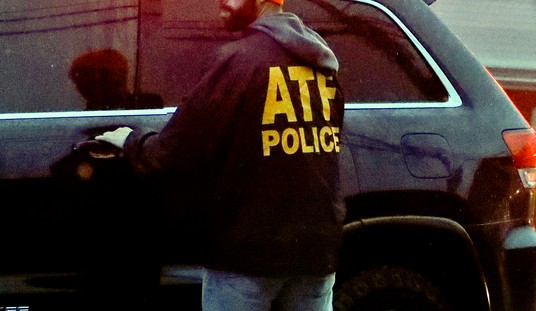
Imagine the federal government building a massive, unauthorized database of gun owners’ personal information—millions of law-abiding Americans tracked without their consent or congressional approval. That’s the reality at the heart of the ATF’s illegal gun registry, a sprawling collection of 1.3 billion firearm transaction records amassed through the National Firearms Registration and Transfer Record (NFRTR) and the notorious 4473 forms. What started as a supposed tool for tracing crime guns has ballooned into a de facto national registry, violating the Firearm Owners’ Protection Act of 1986, which explicitly bans such centralized databases. The ATF’s stonewalling of Congress—ignoring subpoenas, delaying document dumps, and playing semantic games with terms like searchable versus retrievable—isn’t just bureaucratic foot-dragging; it’s a deliberate power grab that reeks of executive overreach.
This isn’t some abstract conspiracy; it’s documented in congressional hearings and whistleblower accounts, like those from Project Veritas exposing ATF insiders admitting the registry’s existence despite official denials. The implications for the 2A community are chilling: in a post-Bruen world where the Supreme Court has reaffirmed individual rights, this shadow database enables future confiscations, red-flag abuses, or politicized enforcement against perceived threats. Remember Waco or Ruby Ridge? Now scale that to millions. Lawmakers like Rep. Massie and Sen. Marshall are pushing bills like the Stop Harassing Owners of Rifles Today (SHORT) Act to purge these records, but ATF Director Steve Dettelbach’s evasive testimony—claiming they don’t have a registry while their systems beg to differ—shows the deep state’s contempt for oversight. For gun owners, this is a wake-up call: demand transparency now, or risk a slow boil toward total registration and control.
The silver lining? Exposure breeds resistance. With audits revealing the ATF’s Houston field office alone holding 400,000 unentered 4473s ripe for digitization, public pressure via FOIAs, lawsuits from groups like GOA and FPC, and midterm momentum could force a reckoning. Stay vigilant, document your transfers, and support allies in Congress—because if the ATF won’t come clean, the Second Amendment demands we do the exposing. This stonewall must crumble before it builds a wall around our rights.


