
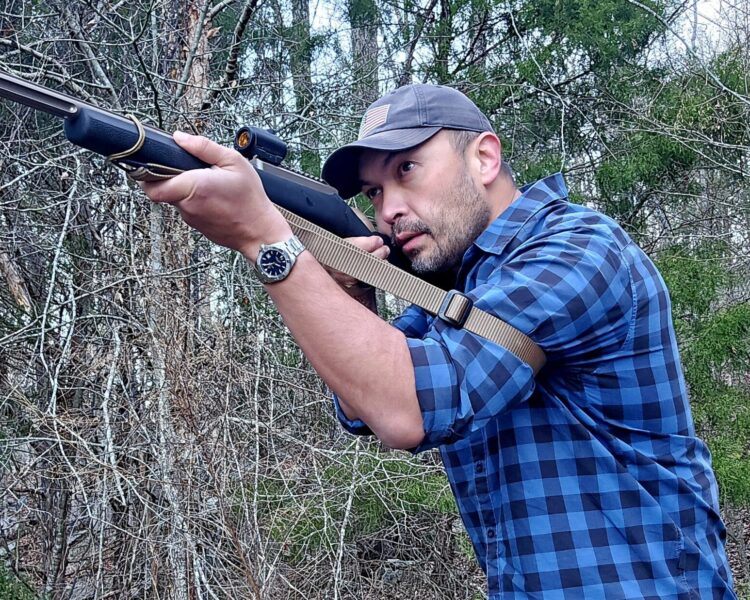
A good sling makes life in the field easier. Understanding how to use a sling in the field is an important skill set and part of good fieldcraft. This simple truth hits home for anyone who’s humped a rifle through brush, urban sprawl, or anywhere hands-free movement matters. In the 2A world, slings aren’t just accessories—they’re force multipliers that bridge the gap between static range time and real-world readiness. Think about it: a properly rigged sling lets you transition from low-ready patrol carry to a lightning-fast presentation when that unexpected rustle in the woods turns into a threat. Veterans of military ops and competitive shooters swear by techniques like the cuff sling for stability during aimed fire or the two-point quick-adjust for seamless transitions, turning what could be a flailing liability into an extension of your body.
Diving deeper, mastering sling techniques exposes the anti-2A crowd’s favorite myth: that firearms training is some exotic, militarized ritual reserved for extremists. Nah—it’s basic fieldcraft, as accessible as learning to tie your boots right. Historical context seals it: from Vietnam-era three-point slings evolving into today’s minimalist Vickers setups, slings have democratized marksmanship for civilians, hunters, and defenders alike. Implications for the community? In an era of rising urban unrest and outdoor adventures, slinging your AR or bolt gun right means safer hikes, faster home defense draws, and less fatigue on long watches. Pair a quality sling like a Blue Force Gear Vickers or Ferro Concepts Slingster with deliberate practice—strong-side carry for retention, cross-body for balance—and you’re not just equipped; you’re empowered. Skip it, and you’re that guy dropping his rifle mid-scramble.
For the 2A faithful, this is low-hanging fruit for building proficiency without breaking the bank. Experiment with single-point for CQB fluidity or convertible designs for versatility across scenarios, always prioritizing QD mounts for instant detachment. The payoff? Enhanced situational awareness, where your gear works for you, not against. Next time you’re in the field—be it public land or your backyard range—rig up, drill those carries, and feel the difference. Good fieldcraft isn’t optional; it’s the quiet edge that keeps freedom’s guardians one step ahead.


