
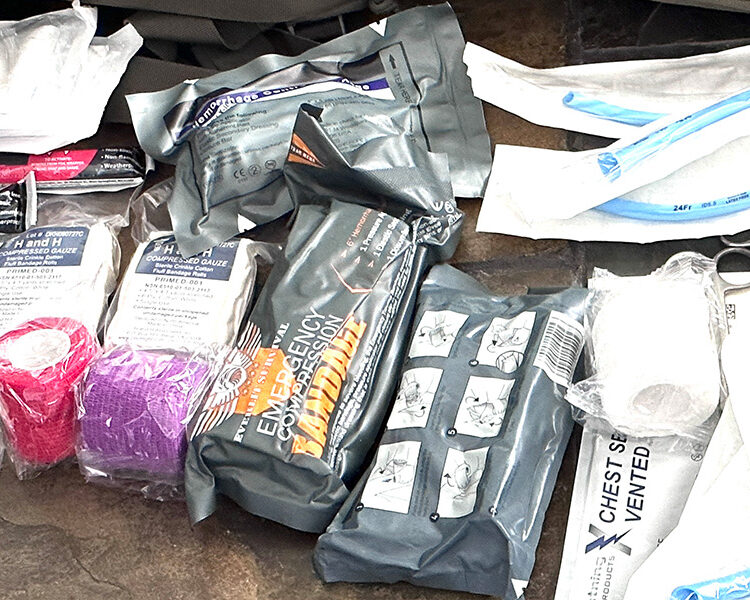
When disaster strikes—be it a home invasion, civil unrest, or a range day gone wrong—a basic first-aid kit tucked in your glovebox won’t cut it. The latest guide on setting up a true medical response bag elevates your preparedness from Band-Aids and aspirin to a compact trauma center capable of staunching arterial bleeds, managing tourniquets, and stabilizing gunshot wounds. This isn’t paranoia; it’s pragmatic foresight, drawing from real-world lessons in combat medicine and urban survival scenarios where seconds decide life or death. For the 2A community, this bag transforms your right to self-defense into a right to survive the aftermath, ensuring you’re not just armed but resilient against the chaos that often follows exercising those rights.
Think of it as the ultimate force multiplier for responsible gun owners: while your EDC firearm deters or neutralizes threats, the med bag handles the inevitable what ifs like entry wounds, shrapnel, or even friendly fire mishaps during group training. Stock it with essentials like hemostatic gauze (e.g., QuikClot), chest seals for sucking wounds, quality shears for cutting away clothing, and a CAT tourniquet—items battle-tested by military medics and now accessible via civilian suppliers. The implications run deep: in a post-SHTF world or even during delayed 911 responses in high-crime areas, this setup bridges the gap until pros arrive, potentially saving your life or a loved one’s. Critics might call it overkill, but data from active shooter incidents shows most casualties stem from preventable blood loss, not the initial trauma—arming yourself with knowledge here is as vital as your holster.
Pro-2A patriots, integrate this into your toolkit now. Customize for your risks—add burn gel for flashbangs or splints for structural collapses—and train with it monthly via TCCC (Tactical Combat Casualty Care) courses. It’s not just gear; it’s empowerment, reinforcing that the Second Amendment encompasses the full spectrum of defense, from prevention to recovery. Build yours today, because hoping for the best while preparing for the worst is the hallmark of true readiness.


