
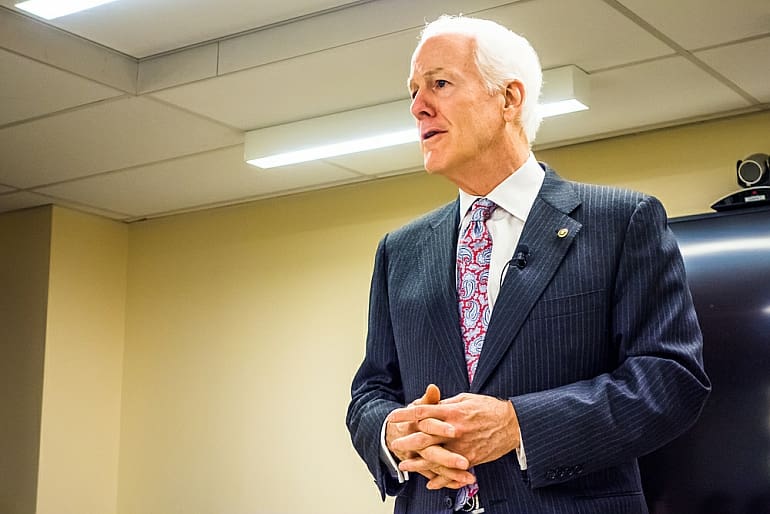
Senator John Cornyn isn’t letting the ATF off the hook that easily. Fresh off the Senate confirmation hearing for Director nominee Steven Dettelbach, the Texas Republican is firing off pointed questions about a shadowy database that’s ballooning with millions of firearm records—pulled from dealer paperwork after traces on crime guns—and the agency’s aggressive push to onboard hundreds of new agents. This isn’t just bureaucratic housekeeping; it’s a direct challenge to the agency’s opaque operations, demanding transparency on how these records are stored, accessed, and potentially weaponized against law-abiding gun owners. Cornyn’s move echoes long-standing 2A concerns that the ATF is quietly building a de facto national registry, despite federal laws like the Firearm Owners’ Protection Act explicitly prohibiting it.
Digging deeper, this database—often called the ATF Firearms Tracing System—has exploded in size, with reports indicating over a billion records and counting, fueled by traces from operations like Fast and Furious fallout and everyday crime scene pickups. Hiring sprees for 800+ new agents signal not restraint, but expansion, potentially supercharging enforcement of rules like pistol brace bans or the endless churn of reclassified assault weapons. For the 2A community, the implications are stark: without ironclad Firearms Freedom Act-style pushback from states, this could morph into pretextual surveillance, where your Form 4473 becomes a breadcrumb trail in the event of political overreach. Cornyn’s probe is a rare bipartisan bright spot—remember his role in the Bipartisan Safer Communities Act?—but it underscores why vigilance matters: one nominee’s hearing shouldn’t be the only firewall against federal overstep.
The real test comes in Dettelbach’s responses. Will he commit to purging non-essential records or capping hiring? Or will we see more evasion, like the ATF’s history of lost emails and rule-by-SIL? 2A advocates should rally behind Cornyn’s letter, flooding senators with calls to condition confirmation on full disclosure. This isn’t alarmism; it’s pattern recognition from Ruby Ridge to Waco. Stay locked and loaded—your rights depend on it.


