
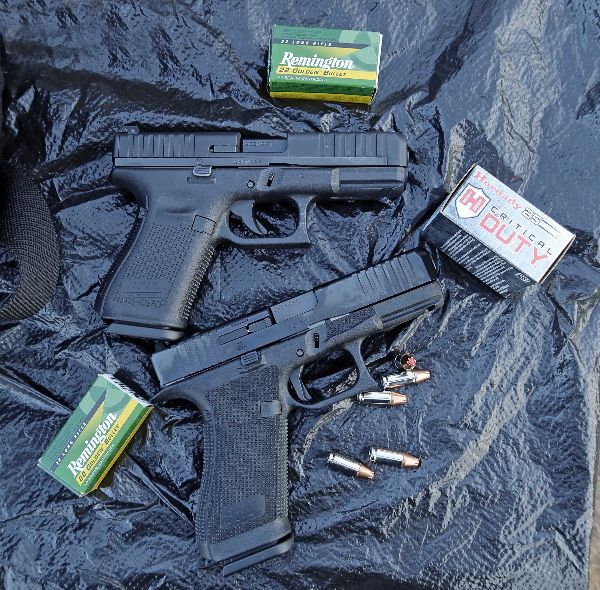
When gearing up for the annual Old Goats’ qualification—a rite of passage for seasoned shooters who refuse to let age dull their edge—one grizzled veteran shares a gold-standard training hack: drill precision first with analog guns chambered in .22 rimfire, using targets shrunk down to punish any hint of slop. Forget the rush of timers and transitions for now; this approach laser-focuses on the foundational hard skill of hitting exactly where you aim, mimicking the qual gun’s ergonomics but dialing down recoil and ammo costs to pocket change. It’s a masterclass in deliberate practice, echoing the wisdom of legends like Jeff Cooper, who preached that speed is a byproduct of accuracy, not a shortcut around it.
This isn’t just grandpa’s dry-fire routine; it’s a blueprint for the 2A community starving for efficient, effective training in an era of sky-high 9mm prices and range fees that bite harder than a squib load. By swapping to .22 analogs—think rugged revolvers or striker-fired clones like the excellent Ruger SR22 or S&W Victory—shooters build muscle memory on platforms that feel identical to their duty or qual irons, without the punishing report or wear. Smaller targets amplify the feedback loop, forcing micro-adjustments in grip, sight picture, and trigger pull that translate directly to full-power quals. Data from precision shooting sports backs this: studies from the NSSF and USPSA show .22 training cuts group sizes by 20-30% when transitioning to centerfire, proving it’s not voodoo but verifiable gains.
For the pro-2A crowd, this method flips the script on anti-gunners’ training fatigue narrative, showing responsible ownership means smart, sustainable skill-building anyone can afford. Implications? It democratizes elite marksmanship, empowering newbies and old salts alike to outshoot the average range commando. Next qual season, dust off that .22 brick, print some 4-inch circles, and watch your scores climb—because in the defense of rights, precision isn’t optional; it’s the edge that keeps freedom in your sights.


