
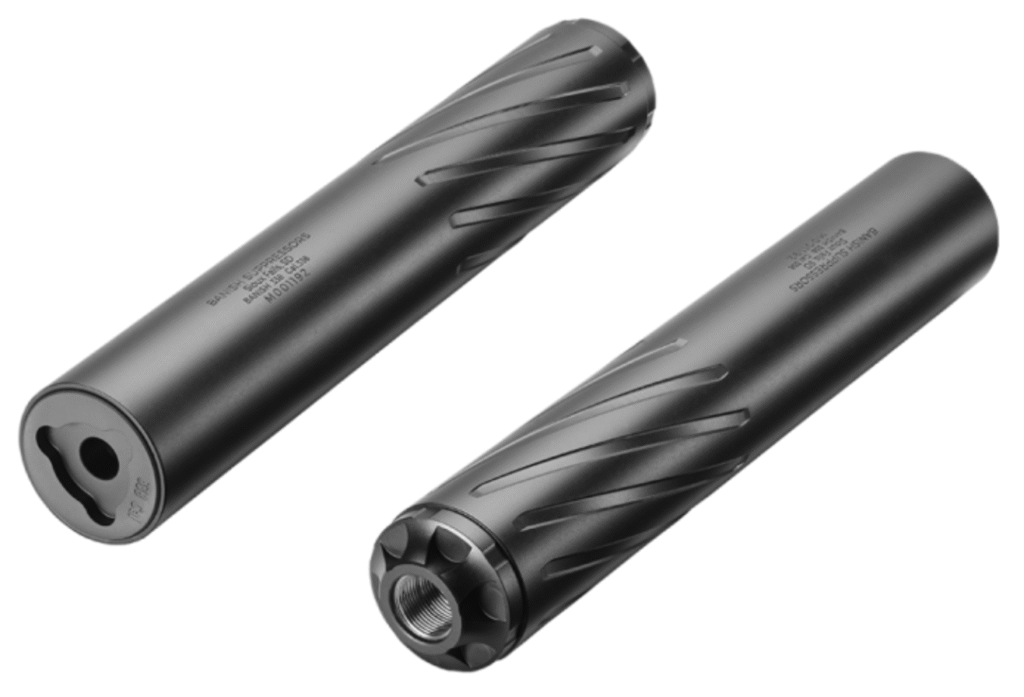
The push to deregulate suppressors at the state level is heating up, with South Dakota, Georgia, and Alaska leading the charge by tweaking their laws to sidestep any fallout if the federal National Firearms Act (NFA) crumbles. While D.C. politicos grind through the slog of full NFA repeal efforts—like the Hearing Protection Act’s perennial revival—these states are playing smart chess, not checkers. South Dakota just greenlit a bill allowing suppressor ownership without the ATF’s $200 tax stamp headache, Georgia’s expanding permitless carry to include cans, and Alaska’s reinforcing its already gun-friendly stance. It’s a proactive hedge: if the NFA’s excise tax vanishes (as many 2A advocates hope), these states won’t be left with outdated regs creating confusion or backdoor restrictions.
This state-level momentum is a masterclass in federalism’s beauty for the Second Amendment crowd—turning the Founders’ blueprint into real-world wins when Washington stalls. Suppressors aren’t Hollywood silencers; they’re hearing protection devices that reduce gunshot noise by 20-35 decibels, making range days safer and hunting less likely to spook game (or neighbors). By stripping away NFA entanglements, these laws normalize cans as everyday tools, potentially boosting sales (the industry shipped over 1.9 million in 2023 alone, per NSSF data) and eroding the stigma. Critics cry public safety, but stats show zero spike in suppressor-linked crimes; it’s all theater from gun-grabbers fearing quieter, freer gun owners.
For the 2A community, the implications are electric: this could spark a domino effect, with more red states (hello, Texas and Florida) following suit, pressuring blue ones and building unbreakable momentum toward national reform. If you’re in the fight, contact your reps—South Dakota’s model is replicable gold. Momentum like this doesn’t just gain traction; it crushes barriers, one state at a time. Stay vigilant, stay armed, and keep the pressure on.


