
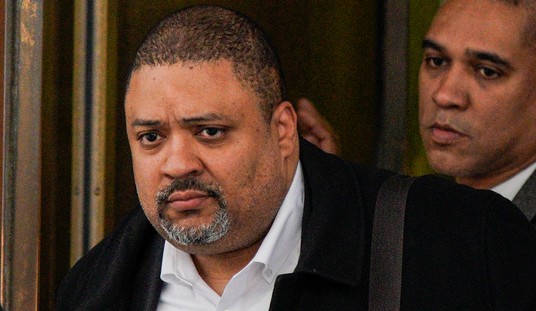
Manhattan DA Alvin Bragg is at it again, ramping up his crusade against 3D-printed firearms with a fresh push for stricter laws, all under the guise of combating untraceable ghost guns. The latest salvo cites rising concerns over these homemade weapons, positioning printers as the new boogeyman in the gun control playbook. But let’s cut through the hysteria: 3D printing tech has been around for over a decade, and violent crime stats don’t show some explosive surge tied to printed pistols. In fact, ATF data reveals that recovered crime guns are overwhelmingly from legal serial-numbered sources or smuggled cartel imports—not garage-built prototypes that often fail after a few shots. Bragg’s rhetoric smells like political theater, especially post his high-profile flops like the Trump hush-money case, where he needs a win to appease anti-2A donors.
This isn’t just New York bluster; it’s a blueprint for national overreach. By demonizing 3D printers—tools as ubiquitous as kitchen appliances—Bragg echoes Biden’s 2022 ghost gun rule, which the courts have already partially gutted for overstepping into manufacturing regs. The implications for the 2A community are stark: if prosecutors can criminalize code and plastic filament, what’s next? Regulating CNC mills or even AutoCAD software? Innovation thrives on decentralization, and 3D printing democratizes self-reliance, letting law-abiding citizens prototype without Big Brother’s permission slip. We’ve seen this movie before with the Hughes Amendment—vague bans breed black markets, not safety. The real fix for crime? Enforce existing laws against felons, not hobble tinkerers.
Gun owners, stay vigilant: this is war on the right to create, not just bear arms. Support orgs like FPC and GOA pushing back in court, stock up on printers while you can (PETG filament recommended for durability), and share your legal builds online to normalize the tech. Bragg’s war might grab headlines, but it won’t stop the signal—2A ingenuity always finds a way.


