
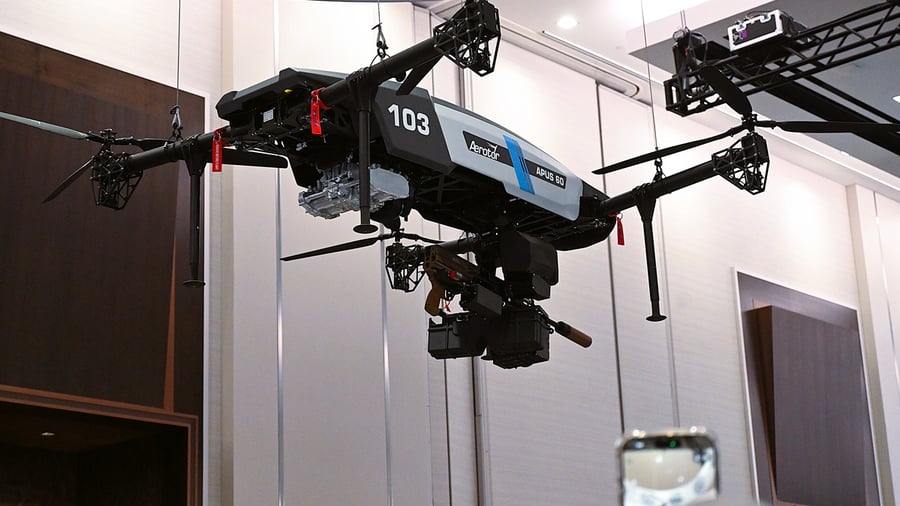
isn’t just a headline—it’s a wake-up call for the 2A community staring down the barrel of an evolving battlespace. At the recent SHOT Show, unmanned aerial vehicles (UAVs) weren’t relegated to some futuristic demo booth; they were everywhere, from consumer-grade quadcopters tricked out for backyard surveillance to rugged military spec drones packing thermal imaging and payload capacities that scream force multiplier. This surge mirrors the battlefield dominance we’ve seen in Ukraine, where cheap FPV drones have turned $500 hobby rigs into $2 million tank killers. SHOT’s exhibitors get it: as UAVs democratize aerial recon and delivery, they’re bridging the gap between civilian shooters and tactical operators, offering 2A enthusiasts tools to extend their eyes (and maybe arms) beyond line-of-sight.
For the pro-2A crowd, this is gold with a side of grit. Imagine pairing your AR build with a spotter drone for hog hunts or property defense—thermal cams spotting intruders at 1,000 yards while you stay concealed. Companies like DJI knockoffs and American-made alternatives (think Autel or homebrew kits) are flooding the floor, emphasizing modular attachments for NDAA-compliant ops, dodging Chinese backdoors that could turn your bird against you. But here’s the rub: as these skyward sentinels proliferate, expect ATF busybodies to eye drone + suppressor combos or payload regs as the next ghost gun panic. It’s a reminder that Second Amendment vigilance now includes airspace sovereignty—state-level drone bans in places like Florida are pro-2A wins, but federal overreach looms if Dems paint every UAV as a cartel scout.
The implications? SHOT’s drone deluge signals a paradigm shift: firearms aren’t just ground-pounders anymore. For preppers, hunters, and patriots, integrating UAVs means outpacing threats in an era of asymmetric warfare. Stock up on those rugged models with 30-minute flight times and 4K feeds before the nanny state clips their wings. The 2A fight just went vertical—adapt or get outflanked.


