
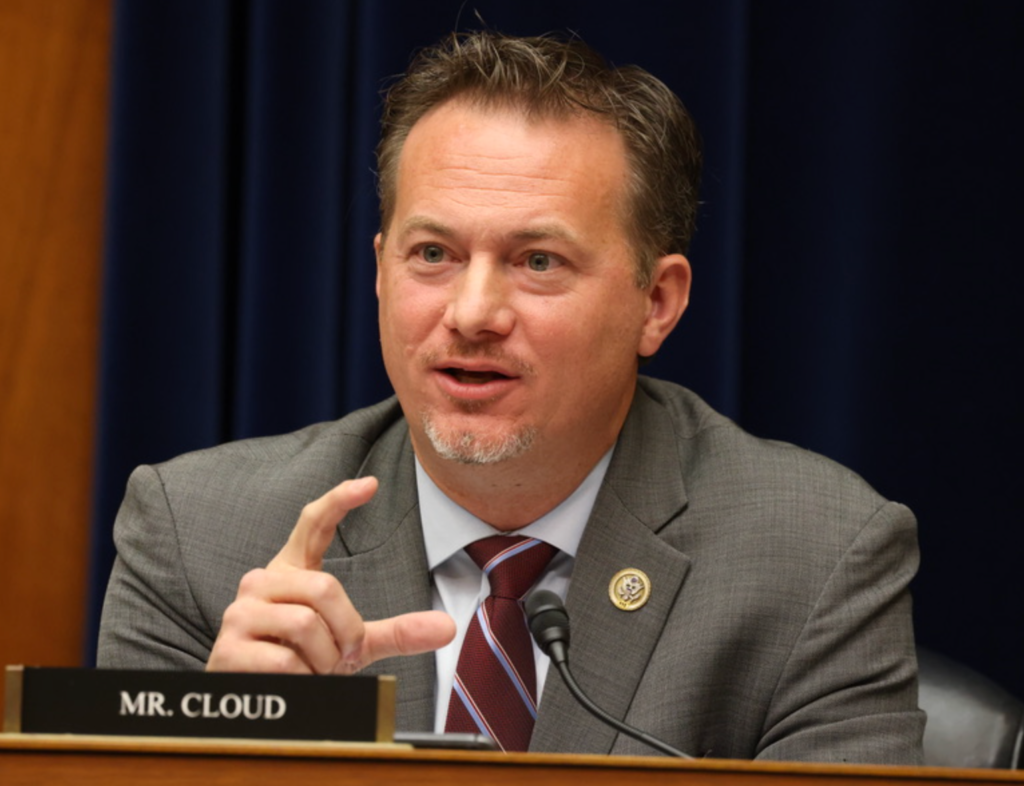
Republican lawmakers are turning up the heat on the ATF, firing off pointed demands for transparency over a massive digitized database that’s ballooning past 1 billion firearm transaction records. This isn’t some dusty archive gathering cobwebs—it’s a sprawling digital vault of Form 4473s, the paperwork every law-abiding gun buyer fills out at their FFL dealer. Digitized by private industry players under ATF pressure, this registry-in-all-but-name has lawmakers like Reps. Massie, Bishop, and Cloud accusing the agency of sidestepping federal law that explicitly bans a national firearms registry. They’re invoking the Tiahrt Amendment and FIREARM Act, insisting the ATF cough up details on how this beast was built, who’s got access, and why it’s evading congressional oversight.
Digging deeper, this story exposes the ATF’s favorite parlor trick: outsourcing the dirty work to avoid direct liability. While the bureau swears up and down they don’t have a registry, they’ve strong-armed industry into creating one that’s searchable, scalable, and ripe for abuse—think warrantless fishing expeditions or post-crime dragnets mirroring Canada’s long-gun registry fiasco, which ballooned costs and yielded zilch in public safety. For the 2A community, the implications are chilling: your pistol purchase from 2015 could be cross-referenced with your AR build in 2023, painting a profile no free citizen should endure. It’s a stealth erosion of the right to privacy in self-defense, turning every transaction into a breadcrumb trail for bureaucrats.
The silver lining? This bipartisan scrutiny—yes, even some Dems are wary—could force real accountability, maybe even claw back some digitized data or slap on ironclad audit trails. 2A warriors, this is your rally cry: flood your reps, support the FIREARM Act, and keep the pressure on. If the ATF thinks they can hide 1 billion records in the cloud, they’re about to learn that sunlight is the best disinfectant—and gun owners wield the biggest flashlight. Stay vigilant; our rights depend on it.


