
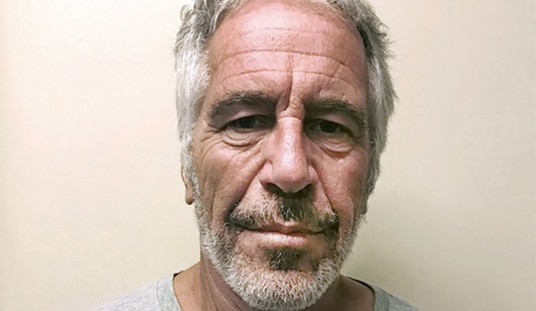
Jeffrey Epstein, the infamous financier and convicted sex offender, didn’t just slink back into the shadows after his 2008 Florida prison stint—he aggressively pursued restoring his Second Amendment rights, filing multiple petitions to reclaim his firearms privileges despite federal and state laws barring felons from ownership. Court records unearthed by investigative journalists reveal Epstein submitted at least three formal requests between 2011 and 2015, arguing his exemplary post-release behavior and philanthropy warranted a full restoration. Each bid was shot down by judges citing his underlying crimes—soliciting prostitution from a minor—and the public safety risks, with one denial bluntly noting his propensity to violate the law. This wasn’t some casual oversight; Epstein, ever the meticulous operator, hired top-tier lawyers and even leveraged his wealth to push these claims, treating gun rights like just another asset to reclaim.
What’s fascinating—and a red flag for 2A advocates—is how this saga underscores the ironclad permanence of felony disarmament in America, even for the ultra-connected elite. Epstein’s failures highlight the system’s double-edged sword: while it shields society from high-risk individuals (hard to argue against in his case), it also entrenches a lifelong civil death penalty that doesn’t distinguish rehabilitation from recidivism risk. For the gun rights community, this is ammunition against may-issue restoration processes, which are riddled with judicial discretion and bias—imagine if your average non-violent felon faced the same uphill battle without Epstein’s millions. It bolsters calls for reform, like fixed-period bans or merits-based reviews, echoing cases where everyday Americans claw back rights after decades of clean living. Yet, it also arms critics who’ll scream hypocrisy! if pro-2A voices cheer his denials while decrying broader restrictions.
The implications ripple into today’s debates: as Epstein’s ghost haunts elite circles (thanks to those flight logs and unsealed files), his story fuels the narrative that gun rights aren’t negotiable privileges but fundamental safeguards—ones even predators like him couldn’t buy back. For 2A stalwarts, it’s a rallying cry to dismantle blanket prohibitions, lest they ensnare the reformed alongside the irredeemable. Will this expose prompt legislative tweaks, or just more common-sense laws? One thing’s clear: in a nation where 20% of adults are felons or prohibited persons, Epstein’s futile quest reminds us the fight for universal carry isn’t just about law-abiding heroes—it’s about ensuring the system doesn’t permanently disarm the wrong people.


