
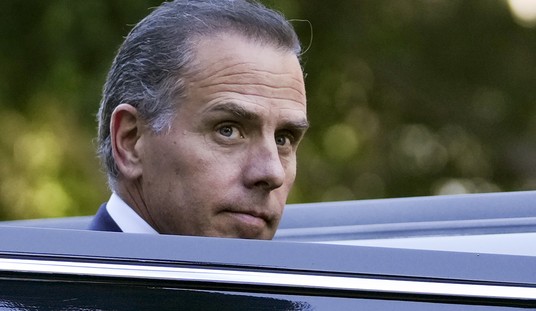
Hunter Biden’s legal team might be pinning their dreams on the Supreme Court’s recent Rahimi decision—sorry, folks, it’s actually United States v. Rahimi, not Hemani as some headlines scramble it—but they shouldn’t pop the champagne just yet. In Rahimi, SCOTUS upheld a federal law disarming domestic abusers under a 6-3 ruling, affirming that the Second Amendment isn’t a suicide pact and that historical analogues from the Founding era can justify modern restrictions on dangerous individuals. The Court clarified Bruen’s test: gun bans are kosher if they align with how 1791 society handled similar threats. Enter Hunter: convicted on federal gun charges for lying on Form 4473 about his drug addiction while possessing firearms. His appeal hinges on arguing that prohibiting addicts from owning guns lacks precise historical precedent, but Rahimi’s green light for targeted disarmament based on provable danger undercuts that hard.
For the 2A community, this is a double-edged sword with razor-sharp implications. On one hand, Rahimi preserved Bruen’s core framework—no more interest-balancing baloney from lower courts—ensuring that sweeping gun bans still need deep historical roots. That’s a win, keeping the door cracked for challenges to red flag laws or other feel-good restrictions without 18th-century twins. But Hunter’s case tests the shall not be infringed line for non-violent users: if SCOTUS buys the government’s pitch that drug users are inherently risky (citing colonial-era drunken brawlers or lunatic laws), it could normalize disarming millions based on status alone, not individualized threats. Biden’s hopes? Slim. Rahimi signals the conservative majority won’t gut every prohibition; expect affirmance, reinforcing that addiction-plus-guns equals forfeiture. 2A warriors should watch closely—this isn’t just about a laptop scandal; it’s a litmus test for how far dangerousness can stretch before it swallows the right to keep and bear arms.
The ripple effects? State attorneys general are already licking their chops, plotting expansions to bar gun ownership for pot users, prescription pill poppers, or anyone with a hazy toxicology report. For pro-2A advocates, the play is clear: rally behind precision in prohibited persons categories, demand due process over blanket bans, and hammer home that Bruen demands history, not hysteria. Hunter’s saga underscores a brutal truth—celebrity status won’t save you from 18 U.S.C. § 922(g)(3), and it won’t rewrite the Constitution either. Stay vigilant; the fight for the full Amendment is far from over.


