
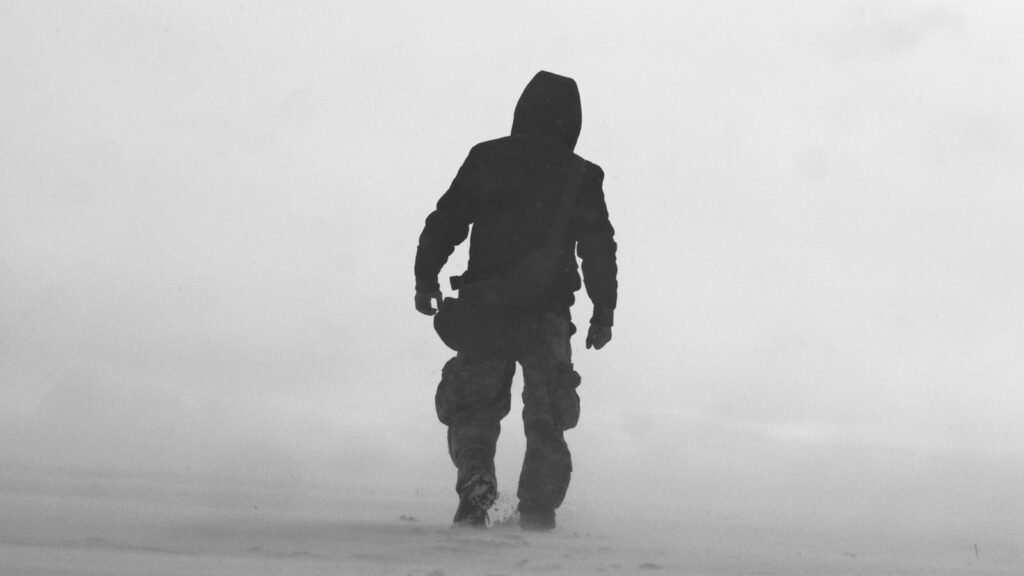
Layering for cold weather isn’t just about staying cozy during a winter hike—it’s a critical survival skill that ties directly into the 2A lifestyle, where self-reliance means being prepared for anything from a grid-down scenario to defending your position in sub-zero temps without frostbite sidelining you. Kit Perez nails this in her latest #Survival post, breaking down the three-layer system: base layers for wicking moisture (think merino wool or synthetics to keep sweat off your skin), insulating mid-layers like fleece or puffy jackets to trap heat, and waterproof-breathable outer shells to block wind and precip. But here’s the pro-2A angle Perez implicitly underscores: in a SHTF world, your ability to layer effectively ensures you maintain operational readiness. A chilled shooter fumbles mag changes, loses fine motor skills for trigger control, and becomes a liability in a defensive standoff. Studies from the U.S. Army Research Institute show hypothermia sets in at 50°F for wet, active personnel—layering counters that, letting you stay mobile with your AR or carry optic zeroed in, no matter the blizzard.
What elevates Perez’s advice for gun owners is layering’s synergy with tactical gear integration. Pair those base layers with a plate carrier or chest rig without overheating—ventilate mid-layers during exertion, then seal up for static overwatch. Implications for the 2A community? It’s empowerment against overreliance on the system; when blizzards hit like they did in Texas 2021, leaving folks frozen without power, the well-layered prepper with a stocked go-bag and sidearm thrives. Critics might dismiss it as mundane, but that’s the genius—mundane skills like this are force multipliers. Stock up on versatile pieces (avoid cotton, the death fabric that clings when wet), test your setup on range days in the cold, and you’re not just surviving winter; you’re outlasting threats. Perez’s post is a must-read reminder: gear up smart, stay armed, stay free.


