
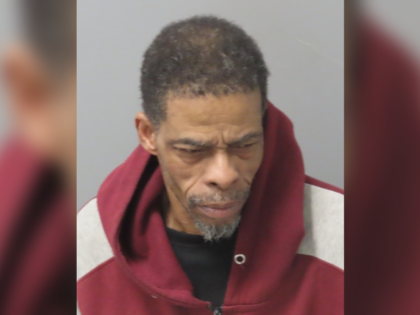
Imagine you’re idling in a Starbucks drive-thru, sipping a latte, when a hail of bullets turns your morning routine into a crime scene. That’s the nightmare that unfolded for former Team USA figure skater Gabrielle Linehan in St. Louis, Missouri, on Tuesday. Allegedly gunned down by a career criminal with a rap sheet longer than a triple axel routine, Linehan—a talented athlete who graced national ice rinks—became the latest victim in a city plagued by unchecked violent crime. This wasn’t a random mishap; it was a predator with priors striking in broad daylight, exploiting a soft target in a nation where law-abiding citizens are increasingly disarmed by urban no-go zones.
St. Louis, with its sky-high murder rate—often topping charts at over 60 per 100,000 residents—exemplifies the failures of gun-free fantasies and lax prosecution of repeat offenders. The suspect, a revolving-door felon, embodies the real assault weapon in our society: emboldened criminals who know the system won’t hold them accountable. For the 2A community, this tragedy screams a vital truth—defensive carry isn’t a hobby, it’s survival insurance. Linehan’s death underscores how drive-thrus, parks, and everyday errands have become kill zones for the vulnerable, where armed good guys could tip the scales. Data from the Crime Prevention Research Center shows permit holders stop crimes 98% of the time without firing a shot; contrast that with cities like St. Louis, where soft-on-crime DAs release predators faster than you can say grande iced coffee.
The implications ripple far beyond one skater’s stolen future: this is a clarion call for 2A advocates to hammer home permitless carry expansions, concealed reciprocity, and zero-tolerance bail reform. While anti-gunners weep over gun violence stats, they ignore that 90%+ of murders involve criminals with records, per FBI data—not grandmas with Glocks. Gabrielle Linehan’s story demands we reject victim disarmament and empower the law-abiding. Share this, train up, carry daily, and vote like your life depends on it—because in places like St. Louis, it does.


