

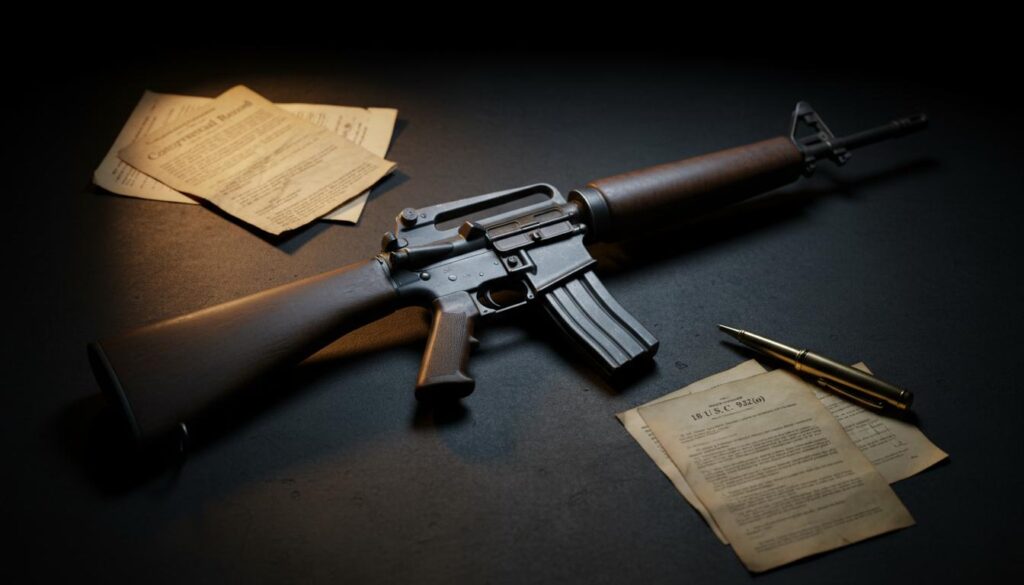
Imagine the chaos of a dimly lit House floor in 1986, where a sneaky voice vote slipped through the Hughes Amendment to the Firearm Owners’ Protection Act (FOPA), slamming the door on civilian machine gun ownership forever. What sounded like a tie—the noes have it! cried Rep. Dan Glickman, despite audible protests from the pro-gun side—became law without a recorded roll call, effectively freezing the National Firearms Act registry at around 250,000 transferable machine guns. This wasn’t some grand conspiracy with smoking guns; it was legislative sleight-of-hand, where Rep. William Hughes pushed his ban on new registrations via a voice vote that no one dared challenge with a formal recount in the post-midnight frenzy. Pro-2A warriors like Rep. Steve Bartlett fumed, but the deed was done, birthing the $20,000+ premium on pre-1986 full-auto beauties that most of us can only dream about at the range.
Dig deeper, and this wasn’t just a one-off heist—it’s the blueprint for today’s assaults on your AR-15. The Hughes playbook thrives on ambiguity: vague voice votes, procedural shortcuts, and media-fueled panic to bypass scrutiny. Fast-forward to Biden’s ATF zeroing in on pistol braces or reclassifying bump stocks post-Heller, and you see the echo—unelected bureaucrats and compliant Congress critters using public safety as cover to erode the registry one fiat at a time. The 1986 fraud proves the system’s rigged against transparency; without a paper trail, challenges fizzle in courts that defer to Congressional intent, no matter how shady.
For the 2A community, the lesson screams vigilance: demand recorded votes, flood Capitol switchboards, and litigate like hell—SCOTUS’s Bruen win shows the tide turning when we force clarity. The machine gun ban didn’t kill NFA outright; it just made compliance a rich man’s game, priming the pump for broader registries they’re eyeing for semi-autos next. Stay frosty, stock up legally, and remember: they got away with it once because we let them. Won’t happen again.


