
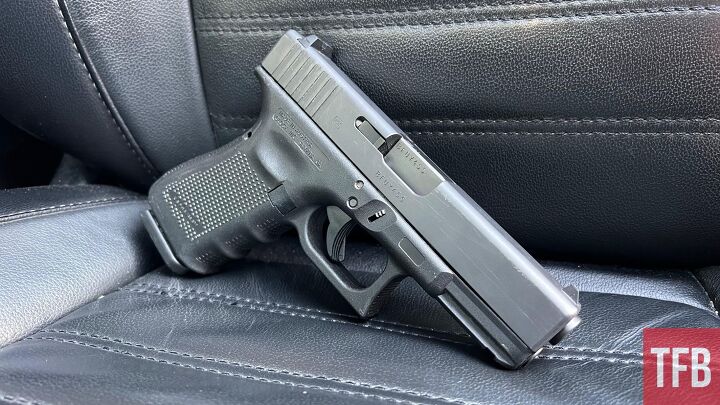
Welcome back to Concealed Carry Corner, where we’re diving into the real-world realities of responsible armed self-defense. Last week, we debunked the flimsiest excuses for ditching your daily carry—like it’s too uncomfortable or what if it prints?—proving that those are just mental roadblocks keeping good people defenseless. This time, the spotlight is on one of the most critical skills every concealed carrier must master: interacting with law enforcement. It’s not just about compliance; it’s about de-escalation, clarity, and protecting your rights under the Second Amendment without turning a routine traffic stop into a constitutional showdown.
Picture this: blue lights flash in your rearview, your heart rate spikes, and your mind races to that holstered Glock on your hip. The best approach? Stay calm, hands visible (10 and 2 on the wheel), and lead with honesty: Officer, I have a concealed carry permit and am legally carrying a firearm on my right hip. It’s holstered, and I’m keeping my hands right here. No sudden moves, no reaching for your wallet until instructed—ever. This protocol, echoed by trainers like Massad Ayoob and departments nationwide, flips the script from surprise to cooperation, slashing the odds of a twitchy escalation. Data from the Armed Citizens’ Legal Defense Network backs it up: incidents where carriers proactively disclose see far fewer misunderstandings, with compliance rates over 95% leading to smooth resolutions. For the 2A community, this isn’t surrender; it’s strategic empowerment, reinforcing that legal carry means responsible stewardship.
The implications ripple far beyond your next stop. In an era of body cams, viral videos, and anti-gun narratives, mastering these interactions builds public trust and bolsters the case for permitless carry expansions—21 states strong and counting. Skip the Hollywood bravado; embrace the pro tips from experts like the USCCA’s training modules, which emphasize verbal judo over Rambo. Train it dry-fire style, role-play with a buddy, and etch it into muscle memory. Your carry isn’t just a tool—it’s a responsibility that demands precision. Stay vigilant, stay legal, and keep carrying confidently. What’s your go-to police interaction script? Drop it in the comments.


