
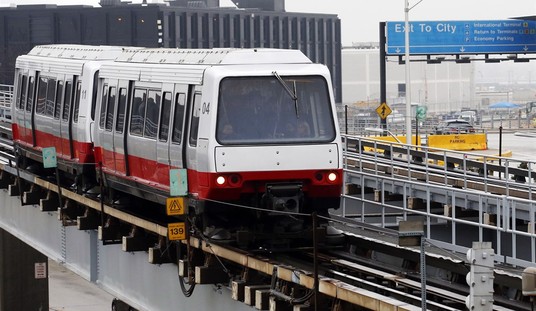
Imagine hopping on the Chicago Transit Authority (CTA) for your daily commute, only to find out your seatmate is a convicted felon packing a loaded handgun—on probation, no less. That’s exactly what went down recently when Chicago PD nabbed this guy during a routine check, turning a gun-free zone into yet another stark reminder that criminals don’t subscribe to the same rulebooks as law-abiding folks. The CTA’s strict no-guns policy, enforced with signs, fines, and the full weight of Illinois’ draconian carry laws, might make bureaucrats feel safer, but it does zilch to deter the bad guys who view prohibited as just a suggestion.
This incident isn’t isolated; it’s a microcosm of the gun-free zone fallacy that’s plagued Chicago for decades. Since Illinois’ concealed carry law kicked in back in 2014, violent crime on public transit has stubbornly refused to vanish—homicides and shootings persist, with felons like this one exploiting the soft targets where good guys are disarmed by fiat. Data from the Crime Prevention Research Center shows that over 97% of mass public shootings since 1950 occurred in gun-free zones, and Chicago’s CTA fits the bill perfectly. The irony? Law-abiding riders, many from working-class neighborhoods clamoring for self-defense rights, are left as sitting ducks while probation violators roam free. It’s a policy cocktail of failed deterrence and selective enforcement, where the state’s 400+ assault weapon registry hoops and felony prohibitions do nothing to stop the streets from bleeding.
For the 2A community, this is red meat: Exhibit A in the case against disarming the sheep while wolves prowl. It underscores the Supreme Court’s Bruen decision’s thunderclap—gun bans in sensitive places must be rooted in historical tradition, not modern feel-good edicts. As more challenges mount against transit bans nationwide, stories like this fuel the fire for reciprocity, permitless carry, and real public safety reforms that empower citizens over criminals. Chicago’s memo? It never reached the felons, but it’s a wake-up call for the rest of us to double down on defending our rights before the next train wreck.


