
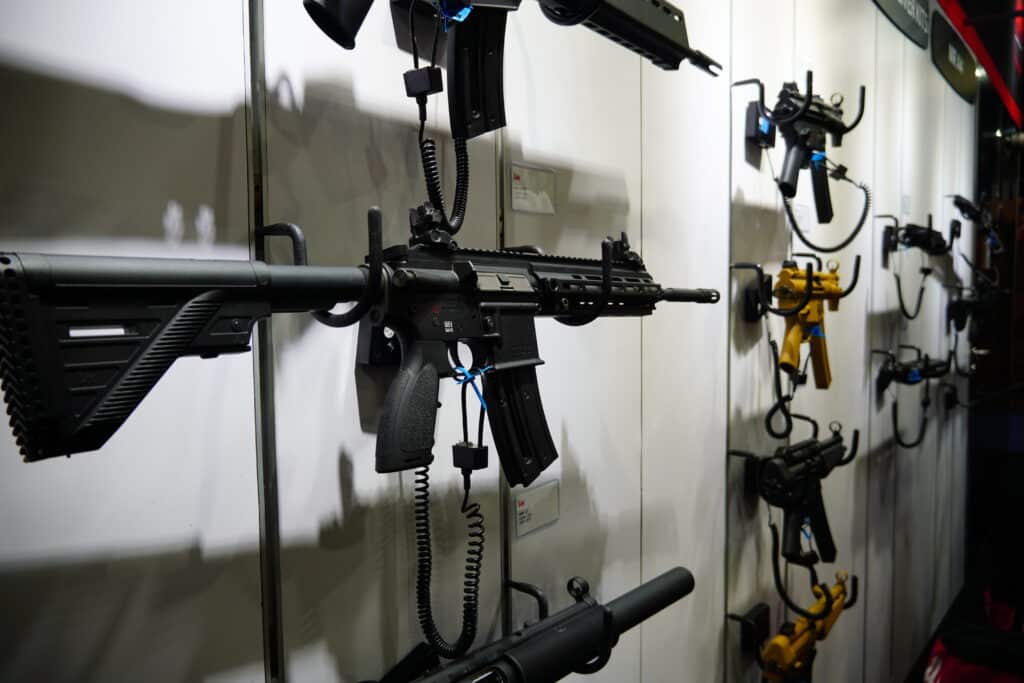
Canada’s grand experiment in mandatory gun confiscation—targeted at AR-15s and similar semi-automatics—has devolved into a taxpayer-funded farce, with the government shelling out $800 million so far while netting a pitiful fraction of the banned firearms. Despite splashy promises of a buyback program to reclaim over 150,000 restricted rifles, compliance rates are in the single digits, forcing Ottawa to burn tens of thousands per turned-in gun just to drag a few from reluctant owners’ safes. This isn’t mere bureaucratic bungling; it’s a masterclass in why forced disarmament flops spectacularly when citizens view their firearms as inalienable rights, not government-leased toys.
Dig deeper, and the numbers scream defiance: early reports pegged turn-ins at under 10% of the target inventory, with provinces like Quebec opting out entirely and rural holdouts simply ignoring the edicts. The program’s architects wildly underestimated storage, transport, and destruction costs—ballooning from initial projections—while black market incentives have reportedly spiked, turning banned guns into premium contraband. For the 2A community, this is pure vindication: it mirrors Australia’s 1996 buyback debacle, where non-compliance hit 80% and violent crime didn’t budge, proving that law-abiding owners won’t surrender without a fight. Canada’s saga underscores a universal truth—gun control isn’t about safety; it’s about control—and when the people say no, empires of red tape crumble under their own weight.
The implications for American 2A advocates are electric: as Biden-era ATF rules creep toward de facto registries and assault weapon bans, Trudeau’s trainwreck is a prophetic warning. States like Texas and Florida, fortifying preemption laws, offer the blueprint—protect self-defense rights locally while feds flail. Expect this story to fuel midterm ammo dumps for pro-gun candidates, reminding voters that buybacks are just euphemisms for confiscation, and non-compliance is the ultimate check on tyranny. Firearms aren’t going anywhere; they’re the people’s veto.


