
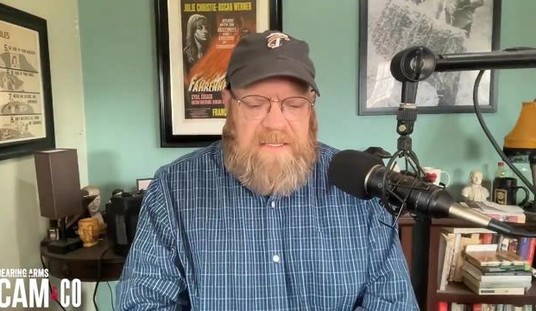
In a rare moment of potential detente in the endless culture war over guns, Wake Forest sociology professor and gun owner David Yamane stepped into the lion’s den—or more aptly, the shared shooting range—of Bridging the Divide. This initiative corralled gun owners and gun control advocates for face-to-face dialogues aimed at unearthing common ground on policies like universal background checks and red flag laws. Yamane, no stranger to the fray with his book *The Sociology of Gun Culture*, joined Cam Edwards on his podcast to unpack the experience, revealing how stripping away media caricatures allowed real humans to hash out ideas without the usual shouting matches. It’s a refreshing pivot from the echo chambers that dominate both sides, where 2A folks are painted as reckless cowboys and controllers as nanny-state zealots.
But let’s cut through the kumbaya haze: while these bridges might feel good, they risk legitimizing slippery slopes for the 2A community. Yamane’s own nuance—acknowledging valid safety concerns without surrendering core rights—highlights a key tension. Pro-gunners entered these talks armed with data showing that measures like expanded checks often ensnare the law-abiding while criminals laugh them off (FBI stats confirm most gun crimes involve black-market or stolen firearms, untouched by NICS). The real win? Humanizing the other side, potentially chipping away at the gun-grabber narrative that paints all owners as threats. Yet, implications loom large: if common ground means nibbling at the edges of shall-issue carry or standard-capacity mags, it’s a Trojan horse. True bridging demands reciprocity—controllers admitting that 500 million guns in civilian hands haven’t turned America into the Wild West, with violent crime rates in shall-issue states often lower than strict-control havens like California or New York.
For the 2A faithful, this is less a call to disarmament and more a masterclass in asymmetric warfare: engage, educate, and expose. Yamane’s participation proves you don’t have to compromise principles to converse, and it could inoculate against future legislative ambushes by fostering unlikely allies. Watch the full chat—it’s a tactical playbook for turning foes into frenemies, reminding us that the Second Amendment thrives not just in courtrooms, but in candid conversations that dismantle the divide one fact at a time. If Bridging the Divide scales, it might just redefine the battlefield, forcing gun controllers to confront the armed citizenry as neighbors, not enemies.


