
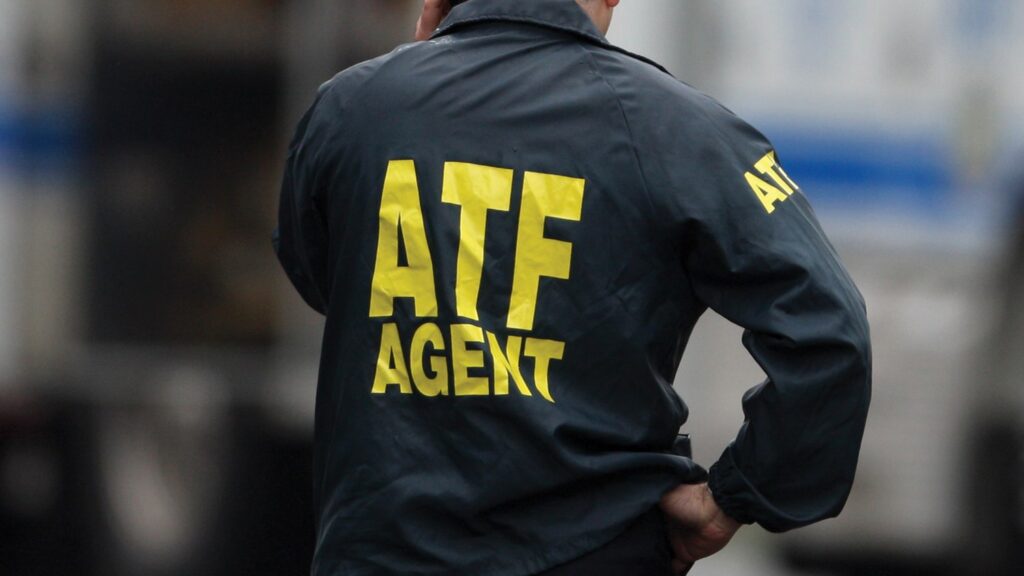
The ATF’s latest power grab hit the Federal Register on January 22 with an interim final rule (IFR) that’s slyly redefining what it means to be an unlawful user of or addicted to any controlled substance—a category that automatically strips Americans of their Second Amendment rights under federal law. No public comment period, no advance notice; this is the bureaucracy’s favorite trick, issuing interim final edicts that take effect immediately while dodging the usual rulemaking scrutiny. At its core, the rule expands the ATF’s prosecutorial net by codifying nine non-exclusive factors—like the frequency of use, recency, and even tolerance to the substance—to label someone a prohibited person. Think about that: a whiff of past marijuana use (still federally illegal despite state laws) or a one-time opioid prescription mishap could now flag you as an addict in the eyes of faceless agents, all justified under the guise of clarifying Garland v. Cargill’s shadows from last year.
This isn’t just bureaucratic housekeeping; it’s a preemptive strike as the Supreme Court gears up for Garland v. Rahimi, a case that could redefine disarming categories under 18 U.S.C. § 922(g). With Rahimi challenging whether domestic violence restraining orders justify lifetime gun bans, the ATF is rushing to fortify its drug-user prohibition before justices potentially narrow the field. Clever timing, right? They’ve buried this in the post-Cargill cleanup (where bump stocks got a reprieve), but it’s pure mission creep—turning vague statutory language into a dragnet that ensnares casual users, veterans on pain meds, or anyone with a CBD gummy in their history. Evidence? Look at the IFR’s own examples: admitting to recreational use or having drug paraphernalia isn’t just probable cause; it’s now codified gospel for Form 4473 denials and felony referrals.
For the 2A community, the implications scream urgency: this rule weaponizes the unlawful user clause against millions, especially in red states where cannabis reform clashes with federal overreach. It’s a backdoor universal background check on steroids, ripe for abuse by ATF stings or tipster apps. Gun owners, stock up on legal challenges—NAGR and FPC are already mobilizing—and brace for state-level pushback. If Rahimi slaps down overbroad disarmament, this IFR could be exhibit A in dismantling the ATF’s addiction to rule-by-fiat. Stay vigilant; your carry permit might be next on the rewrite block.


