
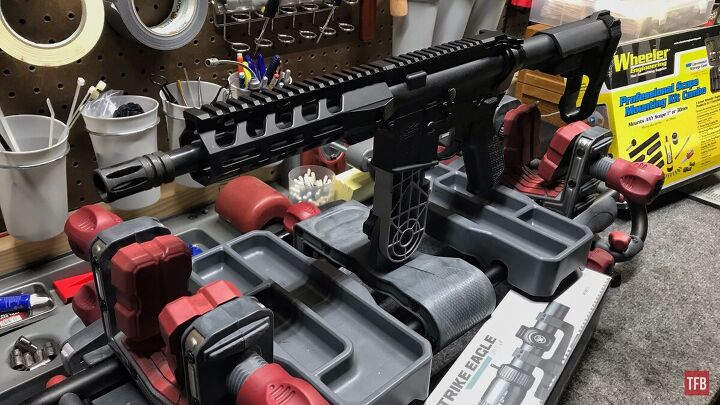
The AR-15 maintenance debate is the ultimate 2A family feud—pitting the obsessive range moms who swab every bore after a single mag dump against the grizzled operators who swear their dust-caked rifles have logged 10,000 rounds without a hiccup. Both camps have battle scars to back their claims: the clean freaks point to precision matches where a speck of carbon can throw your groups off by MOA, while the neglectful nomads tout suppressed full-auto runs through sandstorms. Truth is, neither extreme owns the high ground. The source nails it—your mil-spec black rifle isn’t a porcelain teacup; it’s a hydraulic press built for abuse. Neglect doesn’t cause spontaneous detonation (despite what anti-gunners wish), but it does erode reliability over time, turning your trusty SHTF companion into a jam-o-matic when you need it most.
Context matters more than dogma here. If you’re a casual plinker burning through 200 rounds of .223/5.56 every other weekend on steel plates, a thorough cleaning every 500-1,000 rounds keeps fouling at bay without turning maintenance into a second job. Crank up the volume—say, 3-gun competitions or high-round-count training—and you’re looking at every 300 rounds, especially with dirty ammo or suppressors that choke the system with extra blowback. Data from military quals and civilian stress tests (think Brownells’ torture sessions) shows carbon buildup primarily hits the bolt carrier group and gas system first, spiking failure rates after 2,000 uncleaned rounds. For the 2A community, this isn’t just hobbyist trivia; it’s ammo for defending our rights. When politicians peddle assault weapon bans claiming these guns are maintenance nightmares prone to failure, we counter with cold facts: properly managed ARs are more reliable than most police sidearms, outlasting Glocks in suppressed, suppressed mud runs.
Implications? Ditch the one-size-fits-all schedule and adopt a condition-based approach: inspect after every outing for excessive carbon, copper streaks, or grit, and deep clean when function dips. Tools like the Otis kit or Aero CLP make it painless, preserving that buttery short-stroke action without babying the platform. For preppers and defenders, this means peak readiness without paranoia—your AR thrives on use, not coddling. Embrace the flexibility, log your rounds, and join the rational middle: shoot more, clean smarter, and keep the antis guessing why our weapons of war never miss a beat.


