
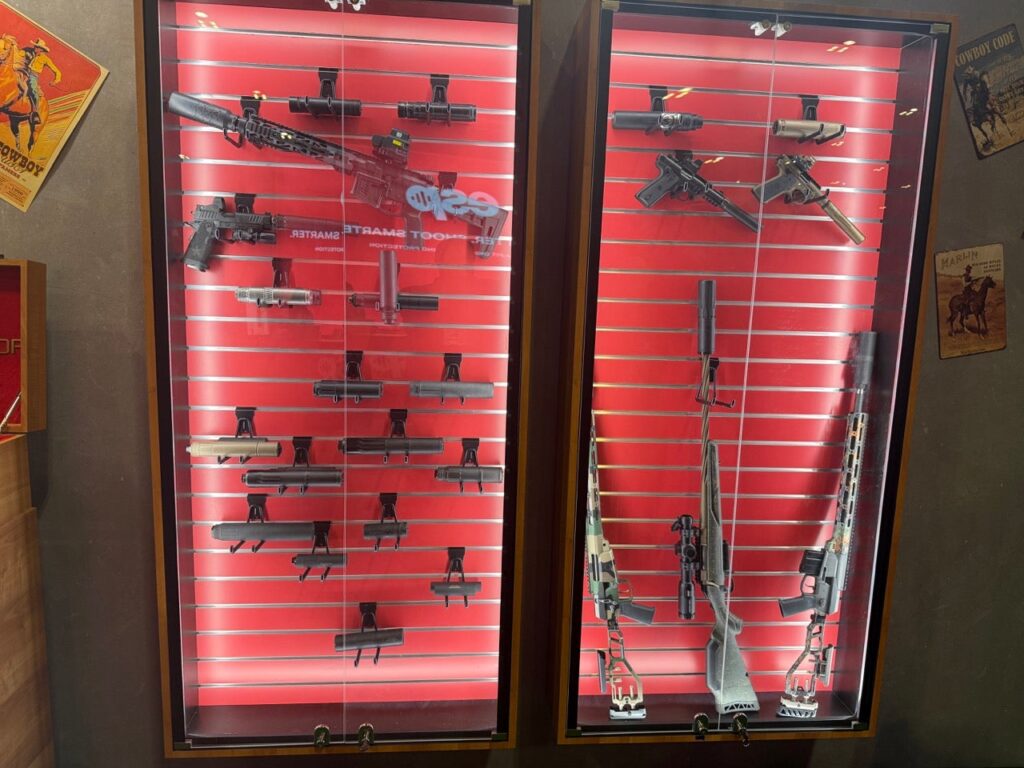
When it comes to suppressors—those game-changing tools for quieter, more neighbor-friendly shooting—the divide between rimfire and centerfire cans isn’t just a technicality; it’s a strategic choice that can make or break your setup. Rimfire suppressors, optimized for the low-pressure pops of .22LR and similar rounds, excel in handling the unique fouling nightmare of rimfire ammo. Lead and carbon buildup is relentless in these tubes, demanding frequent disassembly and aggressive cleaning to avoid baffle strikes or reduced sound suppression. Think of it as the difference between a daily commuter bike and a dirt racer: rimfire cans like the SilencerCo Sparrow or Dead Air Mask are lightweight, affordable (often under $400), and perfect for plinking, training, or small-game hunting without breaking the bank or your eardrums. But push them with centerfire calibers? You’re inviting rapid wear and suboptimal performance due to their inability to contain higher pressures.
Centerfire suppressors, built for the heavy hitters like 5.56, 308, or 9mm, are engineered for sustained abuse—thicker baffles, tougher materials like Inconel or Stellite, and modular designs that shrug off the intense pressures (up to 50,000+ PSI) and minimal fouling from jacketed bullets. Cleaning? Often as simple as a solvent soak or burn-out rod, with some user-serviceable models like the SureFire SOCOM series letting you swap parts on the fly. The trade-off is heft and cost—$800 to $1,500-plus—but for home defense, precision rifles, or high-volume range days, they’re indispensable. The 2A implications here are huge: as suppressors gain mainstream traction (with 3.5 million+ registered by ATF’s latest count), choosing wrong means wasting Form 4 wait time and cash. Rimfire cans democratize quiet shooting for newbies dipping toes into the NFA pool, building habits that lead to full-auto dreams, while centerfire beasts protect hearing on duty rifles, preserving the edge in an era of urban density and anti-gun noise complaints.
So, how do you pick? Match the can to the mission—rimfire for volume fun on a budget, centerfire for serious workhorses—and always factor multi-caliber versatility (e.g., a .30-cal can that eats 9mm to .308). Pro tip: Start with rimfire to learn the ropes; it’s the gateway drug to the suppressed life, proving quiet is constitutional and hearing-safe shooting is a right worth defending. Dive into the full breakdown for specs that’ll arm you better than any politician’s promises.


