
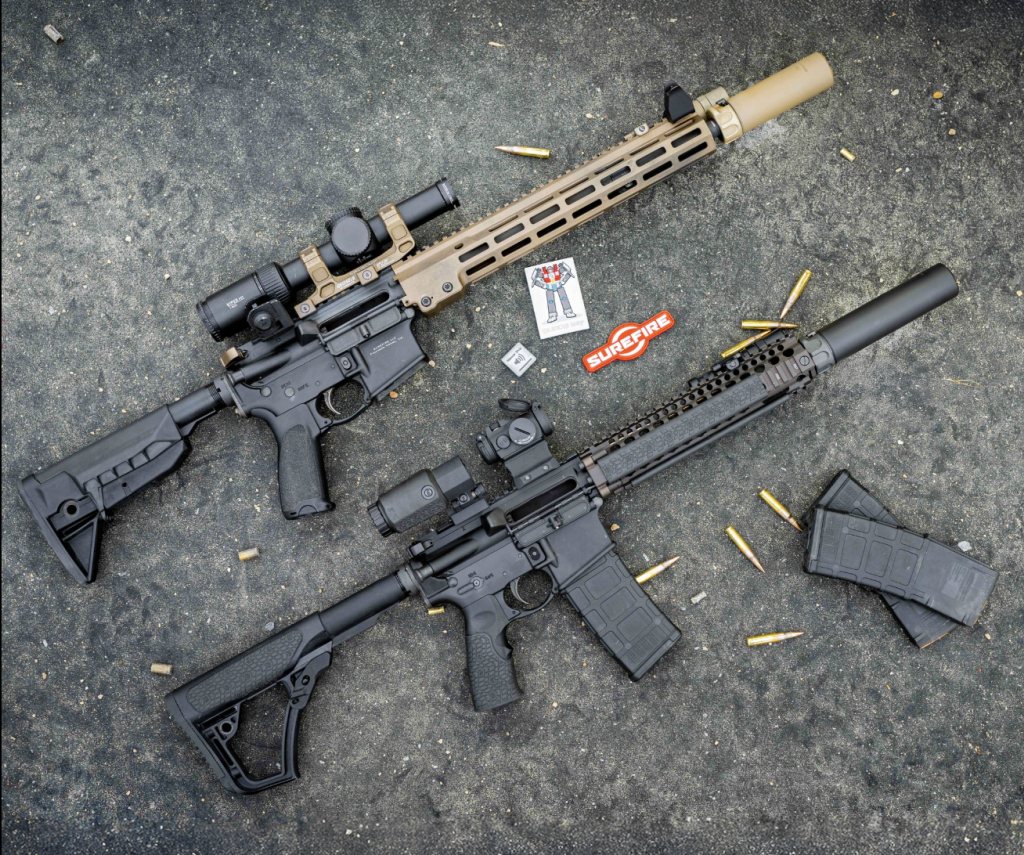
Suppressors aren’t just Hollywood silencers—they’re game-changers for real-world shooting, taming muzzle blast and recoil while shifting gas dynamics in your firearm. But here’s the kicker: slap on a can, and suddenly your go-to ammo might turn into a reliability nightmare or a decibel disaster. The source nails it—ammo quality isn’t some audiophile obsession; it’s about optimizing backpressure, blowback, and bullet stability under suppressed conditions. Cheap steel-cased plinkers often underperform because they generate inconsistent pressures, leading to short-stroking ARs or finicky pistols, while premium brass like Federal’s Syntech or handloads tuned for subsonics deliver whisper-quiet cycles without the stovepipes. I’ve seen it firsthand at the range: swapping to match-grade .300 BLK dropped my first-round pop by 5-10 dB and cycled flawlessly on a gas-tuned rig.
For the 2A community, this isn’t trivia—it’s tactical intel. With suppressors finally going mainstream post-Hearing Protection Act pushes and ATF streamlining, more patriots are building SBR/home defense setups that demand precision ammo to avoid malfunctions when seconds count. Skimping on quality risks turning your quiet advantage into a loud liability, especially in low-light or no-light scenarios where reliability trumps all. Implications? Stock up on vetted suppressed loads like AAC’s 7.62×39 or Eley’s subsonic .22LR, test your combos religiously, and vote with your wallet for manufacturers prioritizing can-friendly R&D. It’s a reminder that freedom tools evolve—pairing top-shelf suppressors with dialed-in ammo keeps you ahead of the curve, not chasing jams.
Bottom line: Yes, ammo quality matters immensely when suppressed. Ignore it, and you’re handicapping your setup; embrace it, and unlock sub-MOA accuracy with hearing-safe volumes. Pro tip for the community—chronograph your loads pre- and post-can to baseline performance, then tweak for perfection. Your ears, rifle, and rights will thank you.


