
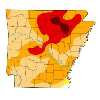
Arkansas Game and Fish Commission biologists took to the skies in late January for their aerial waterfowl surveys, clocking in a modest 337,479 mallards and 694,286 total ducks across the Delta region—just before winter storms turned the landscape into a frozen mess. These numbers are a far cry from the rosy 2025 projections and long-term averages, hammered by drought conditions that gripped 99% of the state in moderate to exceptional misery, as noted by waterfowl program coordinator Brett Leach. It’s a stark reminder that Mother Nature doesn’t punch a clock for hunters’ calendars, leaving Arkansas’s prime duck haunts looking more like a dust bowl than a decoy spread.
Digging deeper, this shortfall isn’t just bad news for call-shakers and retriever owners—it’s a bellwether for broader habitat woes tied to erratic weather patterns and policy missteps on water management. Arkansas’s Delta, a historic flyway hotspot, has long been the lifeblood for migratory birds fleeing northern chills, but prolonged droughts shrink rice fields and wetlands that act as natural refuges. Compare this to bumper years past, when federal conservation easements and farmer co-ops kept ponds brimming; now, with duck counts tanking, we’re staring down tighter bag limits and shorter seasons ahead, squeezing the ritual of dawn hunts that bond generations.
For the 2A community, this hits where self-reliance meets the outdoors: waterfowl hunting is a cornerstone of our shotgun culture, demanding AR-15-style semi-autos for pass shooting and trusty over-unders for decoy work, all under strict federal regs that anti-gunners love to exploit. Low bird numbers fuel calls for more restrictions—see, hunting’s unsustainable!—ignoring how 2A-backed conservation (think Ducks Unlimited dues from gun owners) has pumped billions into habitats. It’s ammo for our side to double down: advocate for drought-resilient ag policies, push back on enviro-extremists eyeing ammo taxes, and remind folks that armed hunters are the original stewards, keeping populations in check when nature goes haywire. Eyes on the spring surveys—2026 could rebound, but only if we stay vigilant.


