
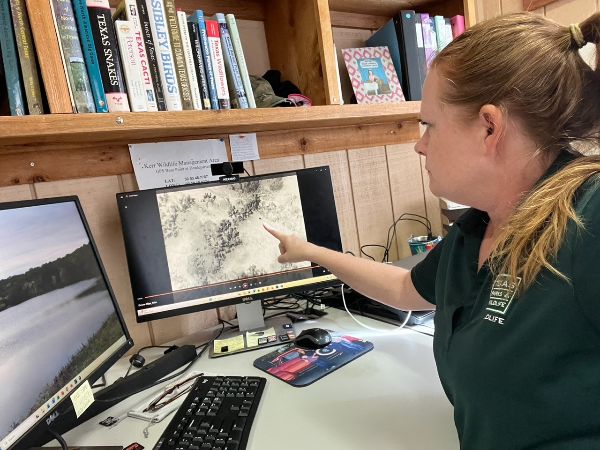
Imagine zipping through the night sky on silent wings, thermal cameras piercing the darkness to count whitetails like ghosts in the brush—no spooked deer bolting, no endless hours of boot-leather pounding through thorny thickets. That’s the reality at Texas’s Kerr Wildlife Management Area, where biologist Deanna Pfeffer and her team harnessed cutting-edge thermal imaging drones to census white-tailed deer populations. Funded by those trusty Pittman-Robertson dollars—excise taxes on your firearms, ammo, and archery gear—this research isn’t just geeky science; it’s a game-changer for precision wildlife management, delivering accurate counts with minimal disturbance and proving drones can outperform traditional methods in efficiency and cost.
For the 2A community, this hits home harder than a .30-06 at 300 yards. Pittman-Robertson, born from the 1937 act championed by hunters and shooters, has pumped over $14 billion into conservation since inception, safeguarding habitats that keep deer herds thriving and tags filled. This drone tech underscores how our Second Amendment dollars fuel innovation that benefits everyone—dramatically improving population data for sustainable harvests, reducing overpopulation woes like crop damage or disease spread, and ensuring public lands stay open for the pursuits we cherish. It’s a reminder: every box of Federal Premium or Hornady you buy isn’t just for the range; it’s bankrolling the future of the hunt, turning taxpayer skepticism into tangible wins.
The implications ripple wider still. As anti-hunting voices grow louder, stories like this arm us with irrefutable proof of our stewardship—drones spotting fawns and bucks with pinpoint accuracy mean smarter regulations, fewer knee-jerk closures, and more opportunities afield. Skeptics claiming guns bad ignore how our community sustains 6 million deer hunters annually, generating $26 billion in economic impact. Next time you’re sighting in that deer rifle, tip your hat to Pittman-Robertson: it’s not just funding whitetails—it’s defending our way of life, one thermal pixel at a time.


