
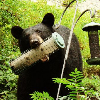
As black bears stir from their dens earlier than ever in Vermont—thanks to milder winters and a booming population—the Fish and Wildlife Department is sounding the alarm: yank those birdfeeders, lock up the trash, and invest in bear-proof containers or electric fences. Bear biologist Jaclyn Comeau nails it when she points out that these bruins have learned over generations to raid human handouts like it’s a buffet line, turning backyards into conflict zones. It’s a stark reminder that nature doesn’t hit pause for our convenience, and Vermonters ignoring this could face furry visitors with appetites as big as their claws.
For the 2A community, this isn’t just a wildlife PSA—it’s a frontline dispatch on self-reliance in the wild. When bears start associating your property with easy calories, you’re not just dealing with a nuisance; you’re in potential bear-human standoff territory, where preventive measures like electric fencing buy time, but the ultimate backup is your right to defend life and property. Vermont’s lax bear hunting regs have fueled this population surge (over 10,000 statewide now), mirroring how overregulation in other areas stifles natural balances—think wolves in the West or feral hogs in the South. Arming yourself with knowledge (and a solid bear rifle or sidearm loaded for penetration) aligns perfectly with 2A ethos: coexist where you can, but be prepared to protect what’s yours when wildlife crosses the line.
The implications ripple wider—shorter winters from climate shifts mean more frequent encounters nationwide, pressuring states to loosen hunting seasons or empower residents further. Pro-2A folks should cheer this as a teachable moment: stock those bear-resistant bins, but keep your Vermont carry permit handy and drills sharp. Human safety trumps sentimentality every time; after all, a fed bear is a dead bear, and a prepared Vermonter is a safe one. Stay vigilant out there.


