
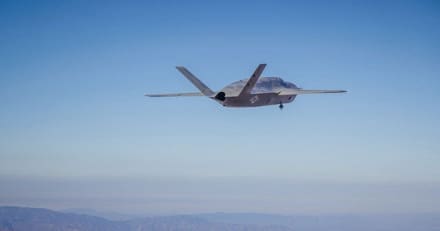
The U.S. Marine Corps just handed General Atomics Aeronautical Systems, Inc. (GA-ASI) a major win by selecting them for evaluation in the Marine Air-Ground Task Force Uncrewed Expeditionary Tactical Aircraft (MUX TACAIR) Collaborative Combat Aircraft (CCA) program. This isn’t some footnote in a defense budget—it’s a leap into the future of distributed lethality, where autonomous drones team up with manned fighters like the F-35 to swarm adversaries in high-threat environments. GA-ASI, the powerhouse behind the MQ-9 Reaper and now advancing their Gambit family of CCA platforms, beat out stiff competition to prove their tech can deliver long-range strike, ISR, and electronic warfare from expeditionary bases. Picture Jarheads launching wingmen from austere Pacific atolls, outpacing China’s drone swarms without risking pilots—pure disruptive innovation.
Digging deeper, this MUX TACAIR move underscores a seismic shift in DoD strategy: away from expensive, pilot-centric jets toward affordable, attritable unmanned systems that scale like nobody’s business. GA-ASI’s selection leverages their proven autonomy stack, integrating AI-driven collaborative tactics that let a single Marine controller orchestrate a lethal mesh network of aircraft. For the 2A community, this hits home hard—it’s the civilian parallel to our AR-15s and precision optics democratizing firepower. Just as suppressors and red dots level the playing field against elite forces, these CCAs empower underdogs (like a rifleman squad) to punch way above their weight, mirroring how armed citizens deter tyranny through distributed, resilient defense. Uncle Sam pouring billions into this tech validates the pro-2A ethos: technology amplifies the individual’s combat multiplier, whether in Fallujah or a future homeland defense scenario.
The implications ripple wide. As MUX scales, it’ll pressure legacy players like Lockheed to adapt, driving down costs and tech trickle-down to civilian markets—think hobbyist drones evolving into personal security tools. For gun owners, it’s a reminder that Second Amendment rights thrive on innovation’s edge; bureaucratic gatekeepers can’t stifle the same ingenuity fueling Marine Corps dominance. Keep an eye on GA-ASI’s flight demos—they’re not just building drones, they’re architecting the next era of asymmetric warfare where the little guy (or platoon) always has the advantage. Semper Fi, and stay strapped.


