
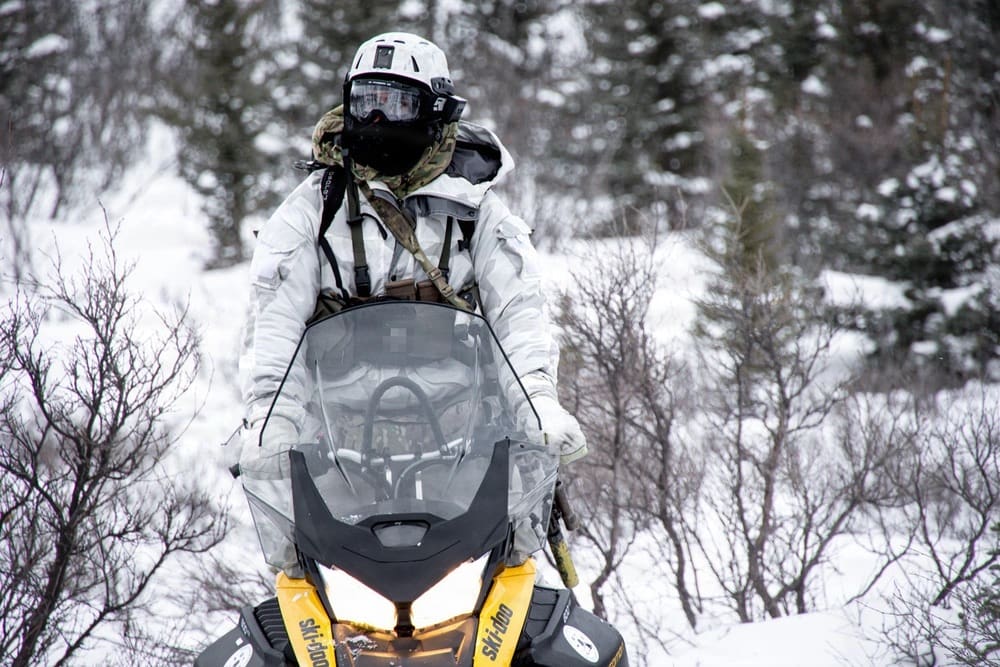
Imagine this: elite Green Berets, the epitome of American special forces grit, hunkered down in Alaska’s brutal subarctic freeze at Fort Wainwright, pushing their limits through the Joint Pacific Multinational Readiness Center (JPMRC) 26-02 rotation. We’re talking physically grueling cold-weather ops across central and southern Alaska training areas—think whiteout blizzards, sub-zero temps that turn rifles into ice blocks, and scenarios demanding peak mental sharpness amid isolation that would break lesser men. But these warriors aren’t just surviving; they’re sharpening skills and weaving in cutting-edge tech, from advanced optics and thermal imaging to integrated drone feeds and AI-assisted targeting systems, ensuring they’re ready for any theater, Arctic or otherwise.
For the 2A community, this isn’t just a feel-good military flex—it’s a masterclass in why civilian access to modern firearms tech matters now more than ever. These Green Berets are field-testing gear that trickles down to us: think ruggedized AR platforms with suppressors optimized for extreme cold, modular suppressors that don’t freeze solid, and holographic sights that perform when your breath fogs everything else. The implications? In an era of escalating great-power rivalries—Russia eyeing the Arctic, China probing the Pacific—our civilian defenders (that’s you and me) need that same tech edge for homeland security. Uncle Sam invests billions so pros stay lethal; 2A ensures we civilians aren’t left with stone knives and bear skins when SHTF. Watch how this training accelerates suppressor normalization and next-gen optics adoption—bans on these tools only hobble the very resilience our forces embody.
Bottom line: JPMRC 26-02 proves America’s warfighters are unbreakable in the world’s harshest labs, and it spotlights the 2A symbiosis—military innovation fuels civilian readiness, keeping tyrants at bay from the Yukon to your backyard range. Stay vigilant, stock that cold-weather kit, and support the tech that arms us all. Oorah.


