
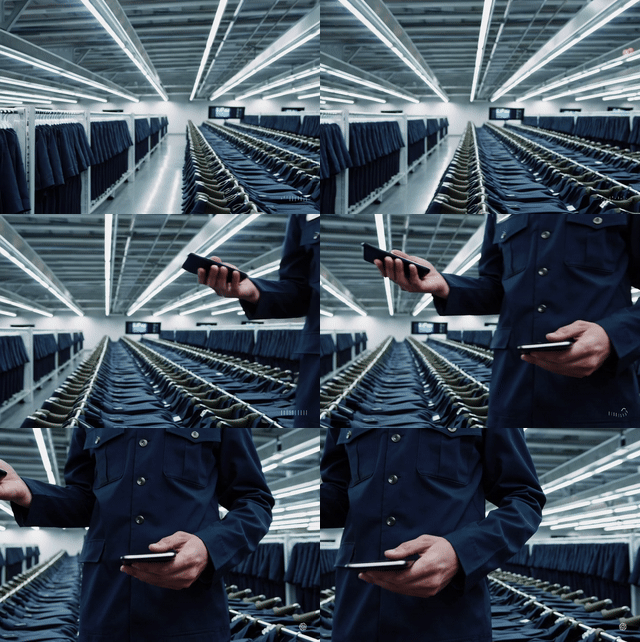
Equipping 100,000 troops across a war-torn territory isn’t merely a logistical headache anymore—it’s a full-blown data revolution that’s turning supply chains into precision strike forces. The story highlights how advanced sizing algorithms, powered by AI and vast datasets from body scans and historical fit data, ensure uniforms and gear hit the mark the first time, slashing waste, boosting combat readiness, and saving millions in returns and resupplies. Imagine deploying forces where every soldier’s plate carrier fits like a glove, boots don’t blister on day one, and helmets don’t shift mid-firefight—this isn’t sci-fi; it’s the new normal for modern militaries leveraging big data to outpace enemies.
For the 2A community, this tale carries profound implications beyond the battlefield. Civilian shooters and preppers face similar sizing pitfalls when kitting out for range days, home defense, or SHTF scenarios—ill-fitting gear from mass-market retailers leads to discomfort, reduced mobility, and outright failures under stress. Just as troop data solves overstocked warehouses and under-equipped units, forward-thinking 2A brands could adopt similar tech: think custom AR slings via 3D body scans at gun shops, or AI-fitted holsters tailored to your build through apps like those from Safariland or Alien Gear. This isn’t government overreach; it’s a blueprint for innovation that empowers individuals, cutting costs on bulk buys from places like Primary Arms or Brownells while enhancing personal readiness.
The ripple effects? A leaner defense industry model pressures commercial firearms and gear makers to digitize sizing, democratizing high-end fit for the everyman defender. In a world where Second Amendment rights hinge on practical preparedness, stories like this remind us that data-driven efficiency isn’t just for Uncle Sam—it’s the next frontier for armed citizens staying mission-ready without the bloat. If militaries are cracking this code for 100K troops, your personal armory upgrade is overdue.


