
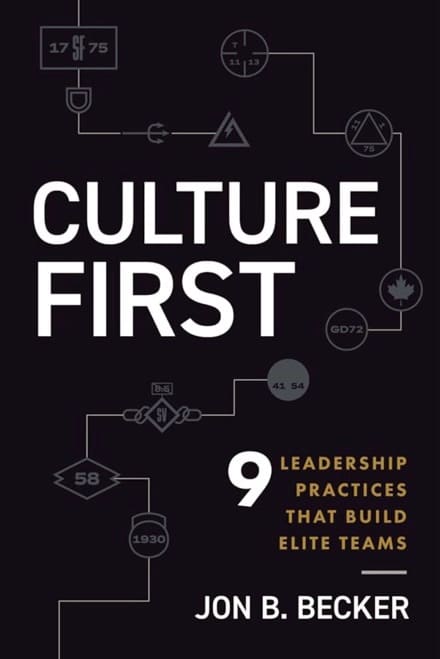
In a world obsessed with raw talent—think sharpshooters nailing long-range shots or tactical geniuses outmaneuvering simulations—Jon B. Becker’s Culture First flips the script, arguing that elite teams don’t just assemble superstars; they forge unbreakable bonds through deliberate culture-building. Drawing from decades alongside high-stakes operators like special forces and elite athletes, Becker distills a no-nonsense blueprint: shared rituals, ruthless accountability, and a north star of purpose that turns good groups into legendary ones. It’s not about hiring the fastest trigger finger; it’s about cultivating trust so deep that when the heat’s on, no one hesitates.
For the 2A community, this hits like a perfectly chambered round. We’ve seen it in action: disorganized ranges devolve into ego-fueled chaos, while clubs like IDPA or top-tier three-gun teams dominate because their culture demands mutual respect, relentless training, and a creed beyond personal glory—protect the right, train the willing. Becker’s lessons amplify this: imagine neighborhood watch groups or militia trainings evolving from talent scouting (that one ex-Marine with the tricked-out AR) to culture-first ecosystems, where vulnerability in dry-fire drills builds the cohesion that talent alone can’t. The implication? In an era of eroding rights and rising threats, 2A defenders who prioritize culture over resumes will outlast the showboats—building fortresses of loyalty that no ATF raid or media smear can breach.
The ripple effect is profound: scalable from local gun clubs to national orgs like the NRA or GOA. Becker’s playbook—weekly debriefs for honest feedback, rituals like shared post-range meals—could supercharge volunteer-driven advocacy, turning sporadic activists into a high-performance machine. Talent walks; culture endures. 2A patriots, take note: your next team-building session isn’t optional—it’s the difference between surviving the culture war and winning it.


