

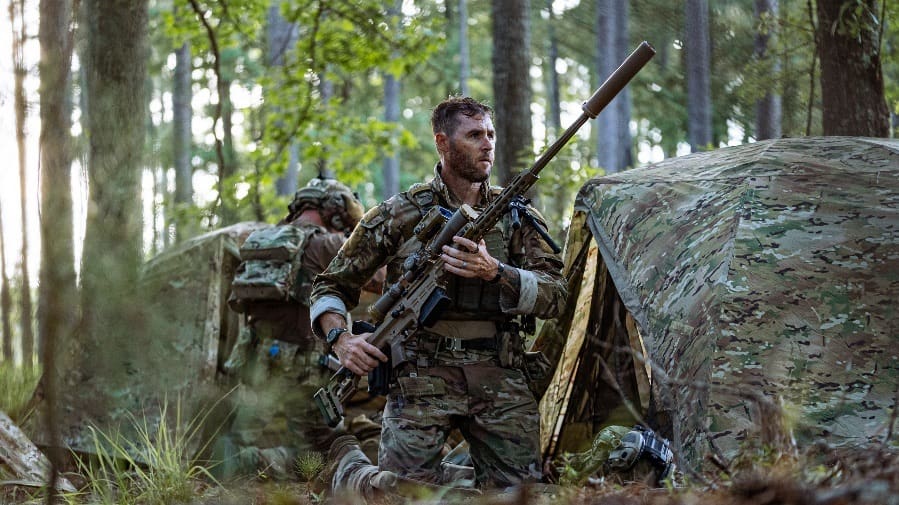
Each year, the VA foots the bill for a staggering array of joint injuries racked up by service members lugging heavy gear into the fray, yet funding for lighter load carriage systems trickles in like it’s an afterthought. This isn’t just a bureaucratic oversight—it’s a stark reminder of how outdated military logistics are grinding down our warriors’ bodies, turning knees and backs into casualties before the enemy even gets a shot. Think about it: soldiers humping 60-100 pounds of plates, ammo, and water over rugged terrain, while private-sector innovators in the firearms world have been iterating on ergonomic, lightweight tactical setups for years. The irony? The same tech that lets civilians run sub-10-pound AR-15 battle rifles with plate carriers that barely register on the scale could slash injury rates by 30-50%, per studies from places like the Army Research Lab, freeing up billions in VA healthcare costs for actual vet support.
For the 2A community, this hits home harder than a dropped mag. We’re the proving ground for real-world loadout evolution—companies like Crye Precision, Spiritus Systems, and Haley Strategic have democratized ultralight modular gear that the DoD envies but rarely adopts fast enough. Imagine if that Big Army inertia extended to civilian rights: slow-rolling polymer lowers or red dot optics because tradition. The implications scream for crossover—2A enthusiasts pushing lightweight innovations could pressure procurement reforms, proving that armed citizens aren’t just exercising rights, but pioneering gear that keeps fighters (military or otherwise) in the fight longer. It’s a win-win: lighter knees mean more effective defense, domestically or abroad, and it underscores why private innovation outpaces government red tape every time.
Bottom line, this VA burden is a call to action. 2A folks, keep refining those minimalist chest rigs and carbon-fiber stocks—not just for range days, but to show the system how it’s done. Upgrade the gear, save the joints, and remind everyone that a well-armed populace innovates faster than any branch. Who’s ready to lighten the load?


