

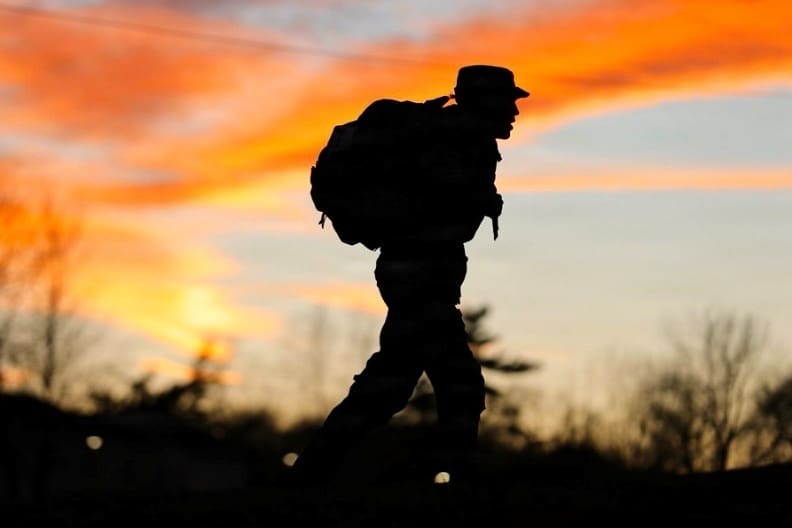
Injuries in the lower back and limbs ‘are attributed primarily to running and foot marching long distances with heavy loads’ according to an article by U.S. Medicine. At Blue Force Gear (‘BFG’), we understand that every gram – yes, every single gram – counts. This isn’t just a gear manufacturer’s tagline; it’s a battlefield truth staring down our warfighters, and by extension, every armed citizen who trains like their life depends on it—because it does.
Think about it: the average infantryman hauls 60-100 pounds of kit on ruck marches that would cripple a desk jockey. Studies from the Army Research Institute confirm load carriage over 40% of body weight spikes injury rates by 300%, hammering spines, knees, and hips. BFG’s rallying cry spotlights the fix—ultralight, tenacious gear like their minimalist plate carriers and Ten-Speed pouches that shave ounces without sacrificing function. For the 2A community, this is gold: we’re not just hobbyists slinging ARs at the range; we’re prepping for the real world where every extra gram in your go-bag could mean outlasting the chaos. I’ve curated rigs dropping 5-10 pounds from civilian loadouts by swapping heavy nylon for BFG’s Helium Whisper system—proven in SOCOM trials to cut weight by 25% while holding 12 mags secure. Pro tip: audit your plate rack; if it’s not sub-2-pound empty, you’re training with a handicap.
The implications ripple outward. As Uncle Sam grapples with a recruitment crisis partly fueled by broken bodies (injury rates up 20% since 2015 per DoD stats), innovators like BFG are arming the homefront too. Lighter loads mean longer patrols, faster recoveries, and sustained marksmanship under duress—core to 2A readiness. Ditch the boat anchor vests; embrace gram-shaving precision. Your back (and Second Amendment rights) will thank you when SHTF. Check BFG’s site for the full breakdown and gear up smarter today.


