
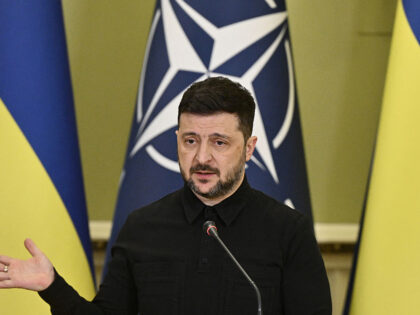
Zelensky’s bombshell move to call snap presidential elections in Ukraine next spring—tied directly to securing ironclad Western security guarantees—has the potential to reshape not just Kyiv’s war-torn landscape but the global conversation on sovereignty, self-defense, and the right to bear arms. According to reports circulating from Ukrainian insiders and echoed in Western media, this isn’t just electoral theater; it’s a high-stakes gambit bundling a national vote with a referendum on any peace deal with Russia. Picture this: amid drone strikes and trench warfare, Ukrainians queuing up to either re-coronate Zelensky or boot him, while simultaneously voting on whether to swallow Putin’s terms. The catch? The U.S. and NATO allies are reportedly demanding this democratic reset as the price for long-term defense pacts, essentially saying, Prove your legitimacy first, then we’ll backstop your borders. It’s a masterclass in realpolitik, forcing Zelensky to bet his political life on public buy-in for concessions that could include territorial losses or neutrality clauses.
For the 2A community, this story hits like a suppressed AR-15 round—quiet on the surface but packing serious velocity. Ukraine’s civilian militias, armed with everything from smuggled Javelins to donated rifles, have been the unsung heroes holding the line since 2022, embodying the very essence of an armed populace deterring tyranny. Fresh elections could turbocharge that narrative: if Zelensky wins on a pro-Western, pro-armament platform, it validates the idea that a free people with guns in hand can dictate terms to aggressors. But flip the script—if he loses to a more conciliatory figure open to Russian demands, we might see Ukraine’s hard-won small arms culture diluted under peace mandates, mirroring how post-WWII disarmament pacts neutered nations’ self-reliance. Remember, Zelensky banned private gun ownership pre-invasion but reversed course when civilians grabbed hunting rifles to fight; now, with U.S. security guarantees on the table (think Patriot systems and maybe even F-16s), the question is whether a new mandate will enshrine 2A-style rights or trade them for promises from politicians who’ve flip-flopped on aid before.
The implications ripple straight to American shores, where 2A advocates can weaponize this tale against domestic gun-grabbers. If Ukraine’s survival hinged on armed citizens stepping up—proven by stats showing over 1 million firearms distributed to civilians since the war began—why should we surrender ours when facing subtler threats like regulatory overreach? Zelensky’s election ploy underscores a timeless truth: true security guarantees come from the barrel of a gun in citizen hands, not fickle foreign pledges. Watch this space; spring 2025 could either fortify the global case for the right to self-defense or serve as a cautionary tale of democracy disarmed. 2A patriots, take notes—this is your ammo for the culture war.


