
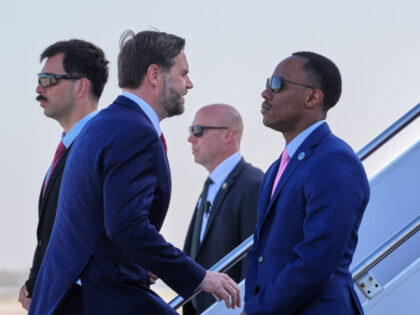
Vice President JD Vance, the 41-year-old firebrand who’s been a staunch defender of American sovereignty and Second Amendment rights, is jetting off to Islamabad, Pakistan, for high-stakes negotiations with Iran right as a fragile two-week ceasefire hangs in the balance. This isn’t just another diplomatic pit stop—it’s a pivotal juncture where Vance steps into the global spotlight, representing an administration that’s prioritized strength over endless Middle East quagmires. Picture this: a young VP, fresh from championing gun owners back home, now threading the needle between de-escalation and deterrence in a region where proxy wars and ballistic missiles define the chessboard. For the 2A community, Vance’s move screams volumes—here’s a leader who gets that real security starts with projecting unapologetic power, not weakness that invites aggression.
Digging deeper, this trip underscores a Trump-era foreign policy reboot that’s music to pro-2A ears: avoid forever wars that drain our resources and leave our borders vulnerable, while ensuring adversaries like Iran think twice before testing us. Iran’s nuclear ambitions and Hezbollah funding aren’t abstract threats—they’re the kind that could cascade into broader conflicts, spiking oil prices, inflating ammo costs, and pulling focus from domestic priorities like defending our gun rights against ATF overreach. Vance’s negotiations could solidify that ceasefire, buying time to rebuild U.S. munitions stockpiles (hello, AR-15 components and 5.56 brass) without the fiscal black hole of escalation. It’s clever realpolitik: negotiate from strength, as Vance did in his Senate days grilling bureaucrats on border security and firearms regs. A stable ceasefire means fewer distractions for radicals pushing red-flag laws or assault weapon bans, letting 2A warriors focus on the real fight at home.
The implications for gun owners? Bullish. If Vance pulls this off, it reinforces the narrative that pro-2A leaders deliver peace through strength—think Reagan staring down the Soviets without firing a shot, but with modern drones and tariffs in the mix. A botched deal, though, risks emboldening Tehran, potentially hiking defense spending and squeezing civilian firearm access via export controls. Either way, Vance’s Pakistan pivot spotlights why 2A matters globally: an armed populace demands leaders who keep America fortified abroad so we stay free at home. Keep an eye on this—your next range day might depend on it.


