
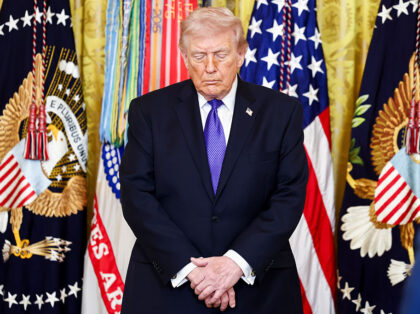
President Trump’s reported frustration with UK Prime Minister Keir Starmer—described as very disappointed after Starmer blocked U.S. forces from launching strikes on Iran from British bases—highlights a brewing transatlantic rift at a precarious moment in global tensions. According to the report, this denial of access to joint facilities like RAF bases in Cyprus or Diego Garcia underscores Starmer’s reluctance to entangle Britain in what he sees as an American-led escalation against Tehran’s nuclear ambitions and proxy militias. It’s a stark reminder of how post-Brexit Britain is flexing its sovereignty, prioritizing domestic politics and EU-friendly diplomacy over the unconditional alliance that defined the Thatcher-Reagan era. Trump, never one to mince words, is signaling that such hesitancy could jeopardize NATO cohesion and U.S. strategic flexibility, especially as Iran ramps up threats via Hezbollah and the Houthis.
For the 2A community, this spat isn’t just foreign policy theater—it’s a frontline warning about the fragility of alliances in an era of asymmetric warfare where America might need to go it alone. Imagine a scenario where U.S. forces, denied forward bases, must rely more heavily on domestic stockpiles and rapid-deployment assets, amplifying the imperative for a robust, self-reliant defense industry. This dovetails directly with Second Amendment advocacy: a strong civilian arms sector isn’t a luxury; it’s the backbone of national resilience, ensuring that if global partners waver—like Starmer now—America’s heartland can mobilize armed citizenry to backfill industrial production and homeland defense. We’ve seen it before; during WWII, civilian firearms expertise fueled military innovation, and today, with supply chains vulnerable to such diplomatic snags, pro-2A policies fortify our deterrence against emboldened adversaries like Iran.
The implications ripple further: Trump’s disappointment could foreshadow a more isolationist U.S. posture, pressuring Congress to double down on domestic munitions manufacturing and reject international arms control pacts that hamstring our edge. For gun owners, this means redoubling efforts to elect leaders who view the right to bear arms as inseparable from projecting power abroad—because when allies balk, it’s the armed populace that keeps tyrants at bay. Stay vigilant; this Cyprus base blockade is just the opening salvo in a larger chess game where 2A is America’s ace.


