
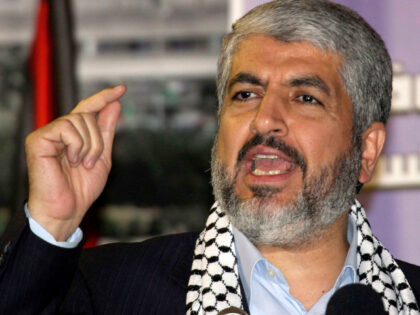
A top Hamas leader just thumbed his nose at President Trump’s bold 20-point peace plan for Gaza, flat-out rejecting any demand to disarm and vowing zero tolerance for foreign rule. In a statement dripping with defiance, the official called surrendering weapons a move that would criminalize the resistance, framing armed struggle as an untouchable birthright. This isn’t just rhetoric—it’s a stark reminder of how deeply resistance groups worldwide cling to firepower as their ultimate leverage, echoing the very ethos that fuels America’s Second Amendment: arms in the hands of the people as a bulwark against tyranny.
For the 2A community, this Gaza standoff is a masterclass in realpolitik. Trump’s framework demands Hamas lay down arms in exchange for peace and reconstruction, but the rejection underscores a universal truth—disarmament proposals from outsiders are often seen as surrender, not salvation. Think about it: just as our Founders enshrined the right to bear arms to prevent foreign imposition or domestic overreach, Hamas views their arsenal as non-negotiable sovereignty. Critics might clutch pearls at the parallel, but history validates it—from the American Revolution’s minutemen to modern insurgencies, the armed citizen (or fighter) dictates terms. This defiance bolsters the pro-2A case globally: unilateral disarmament invites conquest, while an armed populace forces respect at the negotiating table.
The implications ripple far beyond the Middle East. As Trump pushes his vision amid ceasefire talks, watch how this plays into U.S. politics—expect gun-grabbers to spin it as proof that militants shouldn’t have weapons, conveniently ignoring that Hamas isn’t a well-regulated militia but a terrorist outfit. For patriots, it’s validation: in a world of power plays, the right to self-defense isn’t optional; it’s the great equalizer. If Hamas won’t kneel, neither should we—keep stacking brass, stay vigilant, and remember, peace through strength starts with steel in hand.


