
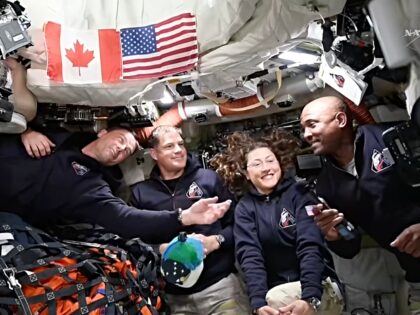
Imagine strapping into a multi-billion-dollar spacecraft hurtling toward the Moon, the first crewed deep-space mission since Apollo, only to be foiled by the most unglamorous nemesis of all: a finicky toilet. That’s the absurd reality facing NASA’s Artemis II astronauts as they gear up for their 2025 lunar flyby—deeper into space than any humans have gone in over 50 years. The onboard waste management system, already a headache during uncrewed Artemis I tests where it leaked urine into the cabin (yes, really), is once again malfunctioning. Engineers are scrambling with software tweaks and hardware fixes, but it’s a stark reminder that even in the vacuum of space, biology doesn’t take a day off.
This isn’t just a punchline for late-night comics; it’s a microcosm of why government megaprojects like Artemis often stumble on the basics while chasing glory. Billions poured into SLS rockets and Orion capsules, yet the potty—critical for a 10-day mission—remains a weak link. It’s the space-age equivalent of a high-end AR-15 jamming on cheap ammo during a critical demo: embarrassing, mission-threatening, and a testament to over-reliance on centralized bureaucracy. Private innovators like SpaceX nailed reusable rocketry with Falcon 9; maybe it’s time NASA crowdsources toilet tech from the maker community.
For the 2A community, this saga underscores a timeless truth: self-reliance trumps institutional promises every time. Just as no government program guarantees your personal defense in a crisis, Artemis can’t even guarantee a reliable crap in zero-G. Stock up on your own backups—be it spare parts for your carry gun or a backup plan for when Big Brother’s grand visions hit the fan. Artemis II might still make history, but it’ll do so with duct tape on the throne, proving once again that individual ingenuity, not federal fiat, gets you through the rough spots. Keep pushing the stars, patriots—and your powder dry.


