
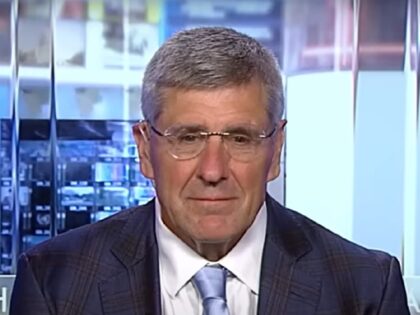
Stephen Moore, the sharp-eyed economist and former Trump advisor, dropped some real talk on CNN’s The Lead this Friday, admitting that President Trump’s freshly announced across-the-board tariff carries both upsides and downsides. On the positive side, Moore highlights how these tariffs could rake in serious revenue for the government—potentially billions—to offset tax cuts or fund priorities without jacking up income taxes on hardworking Americans. He also nods to their track record in shielding domestic industries from cheap foreign dumping, a boon for U.S. manufacturing that’s been gutted by globalist trade deals. But here’s the rub: Moore warns it’ll hike prices on everyday imports like coffee, electronics, and yes, components tied to the firearms supply chain. We’re talking higher costs for imported steel, aluminum, and specialty alloys that gun makers rely on for barrels, frames, and receivers—stuff that’s often sourced from tariff-targeted nations like China or Canada.
For the 2A community, this tariff tango is a double-edged sword worth dissecting. Sure, protecting American steel production could invigorate domestic foundries, making it easier for companies like Ruger or Smith & Wesson to source homegrown materials and dodge supply chain chokepoints exposed during Biden’s ammo shortages and chip crises. Imagine fewer delays in AR-15 builds or Glock imports if tariffs force reshoring— that’s pro-2A gold, bolstering the Made in USA ethos that keeps our Second Amendment rights fortified against foreign dependencies. But the flip side stings: short-term price spikes on imported gun parts (think optics from Europe or polymers from Asia) could squeeze the average shooter’s wallet, turning a $600 rifle into an $800 proposition overnight. We’ve seen this movie before with Trump’s first-term steel tariffs, which nudged up MSR costs by 10-15% per ATF import data, hitting budget builds hardest.
The implications? 2A patriots should cheer the long-game industrial revival—tariffs aren’t perfect, but they’re a middle finger to nations flooding our market with subpar knockoffs that undermine quality American firearms. Stock up on components now if you’re building, lobby your reps for exemptions on critical 2A imports, and watch how this plays into Trump’s pro-manufacturing agenda. Moore’s balanced take reminds us: free trade fairy tales have eroded our gunmaking edge for decades; a smart tariff wall might just rebuild it, even if your morning joe gets pricier. Stay vigilant—our rights depend on a strong, self-reliant industry.


