

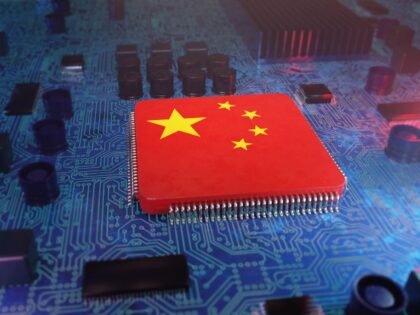
Imagine turning on your smart thermostat or doorbell camera, blissfully unaware that a cellular module—likely made in China—is quietly phoning home to Beijing. That’s the chilling reality laid out in a new report from the Foundation for Defense of Democracies (FDD), which flags these embedded components in everyday smart home gadgets as a gaping national security vulnerability for the U.S. Chinese firms dominate the production of these modules, which connect devices to the internet without Wi-Fi, and they’ve got backdoors wide enough to drive a PLA cyber truck through. We’re talking real-time surveillance potential: your home layout, daily routines, even conversations—all beamed straight to adversarial servers. FDD isn’t crying wolf; they’ve got the supply chain data to back it up, echoing warnings from the FBI and CISA about Huawei and ZTE gear that’s already been banned from U.S. networks.
For the 2A community, this isn’t just a tech nerd’s nightmare—it’s a frontline threat to the armed citizen’s edge. Smart homes are increasingly intertwined with security systems, from app-controlled gun safes to cameras monitoring your range bag in the garage. If CCP spies can map your domicile down to the fridge magnets, they know exactly where your AR-15 lives during a hypothetical midnight raid or civil unrest. We’ve seen this playbook before: TikTok’s data harvesting, DJI drones feeding intel to the PLA. Layer on the Biden admin’s porous borders and feds’ gun registry pushes, and suddenly your smart lock isn’t securing your front door—it’s gift-wrapping your Second Amendment lifestyle for foreign adversaries. Pro-2A folks, this is why we prioritize American-made: swap out those Quectel modules for U.S. alternatives like those from Sierra Wireless, or go old-school with wired, non-smart setups. Your liberty demands it.
The implications ripple outward—Congress needs to hammer these devices with CFIUS scrutiny and subsidies for domestic chip fabs, just like we did with telecom bans. But don’t wait for D.C.; audit your own setup today. Tools like Shodan can scan for exposed IoT vulns, and apps like Nextdoor are buzzing with neighbors ditching Ring for local cams. In a world where the state (and its enemies) wants eyes everywhere, the 2A ethos shines: trust in self-reliance, not silicon spies. Stay vigilant, patriots—your home is your castle, not a data farm.


