
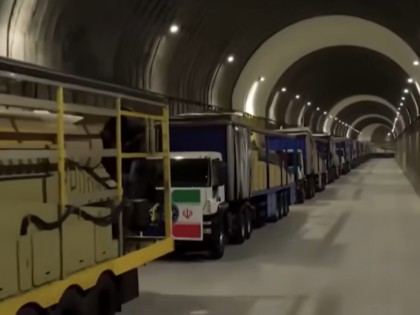
Israel just dropped a precision hammer on Iran’s primary sea mine facility, a critical node in Tehran’s arsenal for choking off the Strait of Hormuz—the world’s jugular vein for 20% of global oil. This isn’t some random pinprick; it’s a calculated escalation in the shadow war, with Israel confirming the raid as part of an ongoing campaign to neuter Iran’s ability to mine the strait and trigger an energy apocalypse. Picture it: Iranian speedboats and submarines laying thousands of those insidious sea mines, spiking oil to $150 a barrel overnight, crashing economies, and handing Putin and his proxies a jackpot. Israel’s message? We’re not waiting for your red lines; we’re redrawing them with JDAMs.
Dig deeper, and this strike underscores a brutal truth about deterrence in the age of asymmetric threats. Iran’s mine stockpile—estimated at over 5,000 by U.S. intel—represents the kind of low-tech, high-impact weapon that punches way above its weight, much like the civilian AR-15 in the hands of determined defenders. For the 2A community, it’s a stark parallel: governments and tyrants fear decentralized, resilient tools that can’t be raided in one fell swoop. Just as Israel preempts Hormuz chokepoints to safeguard global trade, armed citizens preempt domestic threats by maintaining personal firepower caches that no single strike can dismantle. Iran’s regime, bloated with state monopolies on violence, mirrors the anti-2A elite’s nightmare of a populace too well-equipped to suppress.
The implications ripple far: expect Iran to lash out via proxies, spiking regional tensions and oil volatility, which could juice U.S. energy independence debates. For pro-2A patriots, it’s a rallying cry—fortify your straits, stock your armories, and remember that self-reliant defense, from Tel Aviv to Texas, keeps the wolves at bay. If Tehran can’t mine the strait without repercussions, imagine what happens when everyday Americans refuse to surrender their birthright. Stay vigilant; the world stage proves it daily.


