
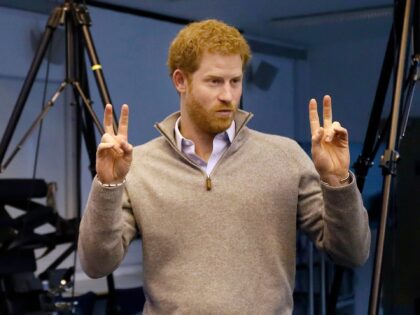
Prince Harry, the Duke of Sussex and perpetual seeker of the spotlight, is set to grace a Washington, D.C. summit this spring with yet another impassioned plea for personal privacy in the digital age. According to reports, his address will zero in on shielding individuals from public intrusions online—a noble cause on its face, but one that raises eyebrows when delivered by a man who’s parlayed his royal exile into a multi-million-dollar media empire via Netflix deals, memoir tell-alls, and Oprah interviews. Harry’s timing couldn’t be more ironic: as he jets into the heart of American political power to lament digital overreach, he’s stepping into a nation where the Second Amendment stands as the ultimate bulwark against government prying into private lives, far beyond what any privacy app or summit speech can offer.
For the 2A community, this is less a call for solidarity and more a flashing red light on the hypocrisy of elite advocacy. Harry’s privacy crusade often dovetails with pushes for stricter digital surveillance regs—think algorithmic censorship or data-tracking mandates—that mirror the very red flag laws and gun registry schemes gun owners fight tooth and nail against. If personal privacy is sacrosanct, why not extend that logic to the armed self-defense that lets Americans protect their homes and data from real-world threats, not just keyboard warriors? His D.C. pulpit, hosted amid Biden-era assaults on encrypted comms and anonymous online speech, underscores a key implication: elites like Harry champion privacy for themselves while cheering tools that erode it for the rest of us. 2A patriots see through the veneer—true privacy isn’t begged for at summits; it’s forged in the steel of a well-regulated militia and the firewalls of the Bill of Rights.
The ripple effects? Expect Harry’s words to fuel narratives that pit victim privacy against robust civil liberties, potentially emboldening anti-2A politicians to frame gun ownership as a digital public safety risk ripe for doxxing or preemptive confiscation. It’s a reminder for the pro-2A crowd to double down: our rights aren’t up for international debate. While Harry polishes his halo in D.C., we’ll keep our rifles oiled and our principles uncompromised—because in America, privacy starts with the power to say shall not be infringed.


